Utility patents protect how something works. Design patents protect how it looks. Over the last decade both have grown, but they remain very different in volume, term, and cost. The U.S. Patent and Trademark Office issues utility patents in the hundreds of thousands each year and design patents in the tens of thousands. Knowing the trend lines helps an inventor decide which protection, or which combination, fits a given product.
The core difference
A utility patent covers function: a mechanism, a process, a chemical formula, the way a device operates. A design patent covers ornamental appearance: the shape of a bottle, the contour of a tool handle, the look of a screen icon. The same product can qualify for both, because a novel function and a distinctive appearance are separate things.
The terms differ too. A utility patent lasts 20 years from its filing date. A design patent filed on or after May 13, 2015 lasts 15 years from grant, a change tied to the United States joining the Hague system for industrial designs. Utility applications also go through a longer examination and cost more, while design applications are generally faster and cheaper to prosecute.
Examination timelines reflect that split. Utility patents commonly take one to three years to issue, depending on the technology and the USPTO backlog, because an examiner must assess the claimed function against prior art in detail. Design applications, which turn on a single set of drawings rather than written claims about function, generally move faster. For an inventor planning a product launch, that timing difference can shape which protection to pursue first.
Volume over the last decade
Utility patents dominate the count. The USPTO issued 326,921 patents of all types in fiscal year 2024, and utility patents are the large majority of that figure. An independent analysis by Anaqua, using its patent analytics software, found total USPTO grants rose 5.7 percent to 368,597 for the December 2023 to November 2024 window, up from 348,774 in the prior period. The patent law commentary site Patently-O noted that utility grants in 2024, while strong, remained below the 2019 peak of more than 350,000.
Design patents are a smaller stream that has been climbing. They run in the tens of thousands of grants per year, a fraction of utility volume, but their share has grown as product appearance became a sharper competitive factor. The rise in design disputes underlines the trend: Lex Machina reported that design patent litigation jumped 34.2 percent in 2024, a sign that more companies are filing and defending design rights.
Why design filings have climbed
Two forces explain the growth. First, e-commerce made the visual identity of a product central to whether it sells, so protecting a recognizable look carries real weight. Second, design patents are quicker and less expensive to obtain than utility patents, which makes them attractive for products where the innovation is as much in the form as in the function. For consumer goods, packaging, and accessories, a design patent often does the protective work that matters most.
Choosing between them, or using both
For many inventors the answer is not either-or. A product with a genuinely new mechanism and a distinctive look can warrant a utility application for the function and a design application for the appearance. A product whose novelty is mostly visual may need only a design patent. The decision turns on where the real innovation lives and what a competitor would most likely copy.
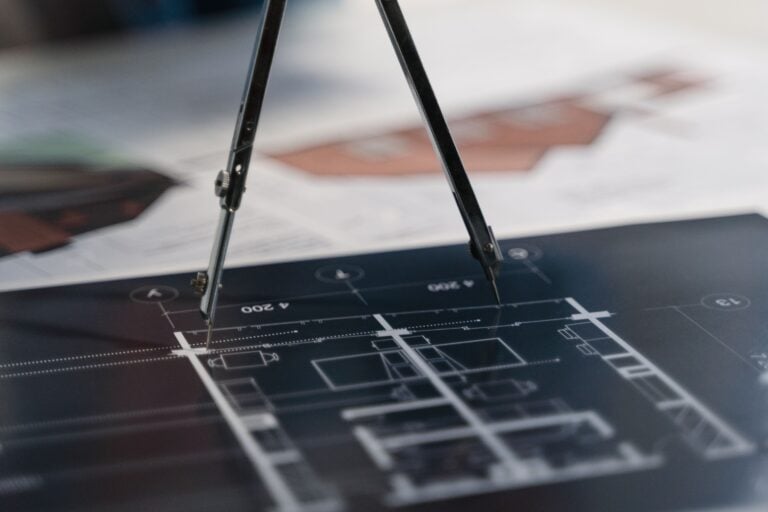
Both routes share one practical requirement: clear, accurate drawings. Design patent applications in particular stand or fall on their figures, since the drawings define the protected appearance. This is one reason inventors increasingly start with professional renderings and CAD. Enhance Innovations, a product development firm working since 2010 from Champlin, Minnesota, produces photorealistic renderings and CAD models as its core deliverable, the same digital assets that feed both a strong design application and a manufacturer-ready presentation.
Reading the trend lines
The decade’s data shows a mature utility system issuing more than 300,000 patents a year and a smaller design system growing in both filings and disputes. Neither figure tells an inventor which patent to seek. That depends on the product. What the numbers do show is that design protection has moved from an afterthought to a deliberate strategy for a rising share of filers.
This article is general information based on USPTO and published analytics data, not legal advice. An inventor weighing utility versus design protection should confirm current rules and fees with the USPTO or a qualified patent professional.