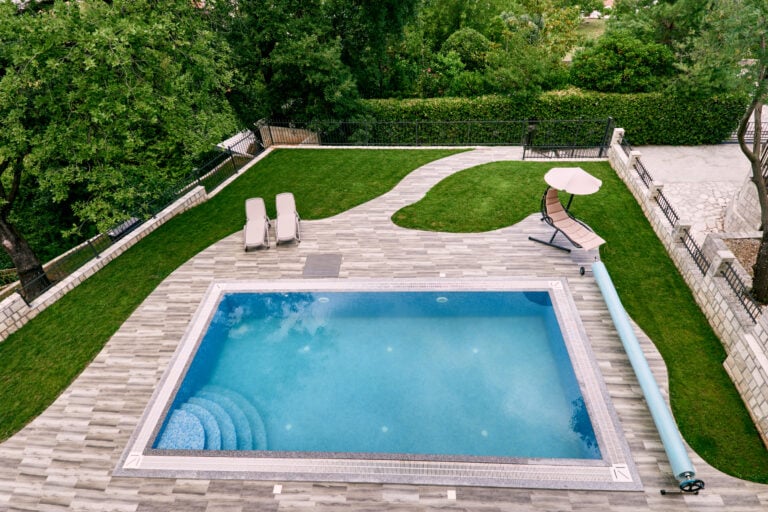
Owning a new pool is exciting, but the upkeep costs can catch owners off guard. The good news is that keeping your pool in top shape doesn’t have to drain your wallet. With a few smart strategies, you can maintain crystal-clear water and a well-functioning system while spending less over time. The key is working smarter, not skipping steps that matter.
Start With a Proper Maintenance Routine
Consistency is your best defense against expensive repairs. A new pool that’s cared for on a regular schedule rarely develops the serious problems that lead to costly fixes down the line. Skimming debris, checking chemical levels, and cleaning filters on a set schedule prevents small issues from snowballing into major ones.
Many pool owners make the mistake of only paying attention when something looks wrong. By then, algae may have already taken hold, or a strained pump might be on the verge of failing. Building a weekly checklist keeps you ahead of problems instead of reacting to them, and reactive fixes almost always cost more than preventive care.
Invest in Energy-Efficient Equipment
Your pool’s pump and filtration system are often the biggest contributors to your monthly bills. Older or standard pumps run at a single speed, using far more energy than necessary for basic circulation. Variable-speed pumps, on the other hand, let you adjust the flow rate based on what your pool actually needs at any given time.
While the upfront cost of upgrading equipment might seem like an added expense, the long-term savings on energy bills typically make up for it. This is especially worth considering if you’re still finalizing details for a new pool, since building efficiency in from the start is far simpler than retrofitting later.
Balance Chemicals Correctly the First Time
Chemical costs add up fast, particularly when water chemistry is left unchecked. Skewed pH levels force you to use more chlorine or other treatments to compensate, creating a cycle of overcorrection that wastes product and money. Testing your water regularly and adjusting in small increments keeps your chemical usage efficient.
It also helps to understand how outside factors affect your water balance. Rain, heavy use, and temperature swings all shift chemical levels, so staying attentive after these events prevents the kind of imbalance that leads to overuse of costly treatments.
Protect Your Pool With a Quality Cover
A pool cover might seem like a small addition, but it plays a significant role in cost control. Covering your pool when it’s not in use reduces water evaporation, keeps debris out, and helps maintain temperature. This means less water to refill, fewer chemicals needed to treat contaminated water, and reduced strain on your heating system if you have one.
For new pool owners, investing in a durable cover early on is one of the simplest ways to reduce ongoing costs. It’s a straightforward addition that pays for itself through the savings it generates over time.
Address Small Repairs Immediately
It’s tempting to put off minor repairs, especially when they don’t seem urgent. A small crack, a slow leak, or a slightly worn seal might not affect your pool’s function right away, but these issues rarely stay small. Left unaddressed, they tend to worsen and eventually require far more extensive and expensive fixes.
Treat your pool’s maintenance the way you would any major investment. Catching problems early, even when they seem insignificant, keeps repair costs manageable and extends the life of your equipment and structure.
Know When to Call a Professional
Doing some maintenance yourself can save money, but knowing your limits is equally important. Attempting complex repairs without the right expertise can lead to mistakes that cost more to fix than the original problem. Professionals can also spot issues you might miss, helping you avoid larger expenses down the road.
Finding the right balance between DIY care and professional support is part of managing a pool responsibly. Regular professional checkups, paired with your own routine maintenance, create a system that catches problems early without requiring constant paid intervention.
Final Thoughts
Lowering your pool maintenance costs doesn’t mean sacrificing quality or safety. It means being proactive, choosing efficient equipment, and addressing issues before they escalate. With the right habits in place, your new pool can stay beautiful and functional for years without becoming a financial burden.