Modern connected home devices and digital planning tools have transformed how homeowners manage property upkeep across the changing seasons. Instead of relying on memory or discovering hidden moisture issues after damage has already occurred, residents can now use smart thermostats, leak sensors, automated irrigation controllers, and digital home inventory apps to stay ahead of seasonal wear. Integrating technology into a year-round property care routine protects building structures, lowers utility bills, and simplifies household management through winter freezes, spring rains, summer heat, and autumn storms.
The real value of smart home technology lies not in flashy gadgets, but in quiet automation that responds automatically to shifting outdoor conditions. When sensors, climate controls, and digital maintenance reminders work together across all four quarters, caring for a home becomes far more predictable and efficient. Thoughtful setup ensures technology serves the homeowner reliably without adding unnecessary complexity.
Winter Freeze Protection and Smart Climate Efficiency
Winter places heavy demands on residential heating systems and plumbing networks, making smart thermostats and temperature sensors invaluable cold-weather allies. Programmable and learning thermostats automatically lower indoor temperatures while occupants sleep or commute, then warm living spaces gently before morning routines begin. Monitoring heating runtime trends through smartphone dashboards also alerts homeowners early if a furnace begins cycling unusually often, signaling a clogged air filter or aging igniter before a mid-winter failure occurs.
Wireless water leak and freeze sensors placed near basement pipes, under kitchen sinks, and beside water heaters provide critical early warnings during severe cold snaps. If temperatures in an unheated crawlspace dip near freezing or a pipe begins dripping, instant mobile alerts allow homeowners to shut off main water valves before costly flooding happens. Readers may also want to visit usamarketarea.com.
Smart lighting schedules also enhance both safety and convenience during short winter afternoons when darkness falls before commuters return home. Automated dusk-to-dawn porch lights and interior lamp timers create a welcoming arrival while deterring unwanted visitors. Checking backup batteries in smart smoke detectors, carbon monoxide alarms, and wireless sensors at the start of winter ensures uninterrupted protection throughout the coldest months.
Spring Moisture Monitoring and Exterior Audits
As snow melts and spring rainstorms arrive, property technology helps homeowners monitor drainage, humidity levels, and exterior structural health. Smart sump pump monitors track water levels in basement pits and send immediate notifications if pump cycles spike or backup battery power engages during heavy downpours. Pairing smart indoor hygrometers with dehumidifiers keeps basement humidity balanced as outdoor dampness rises, preventing musty odors and mold growth.
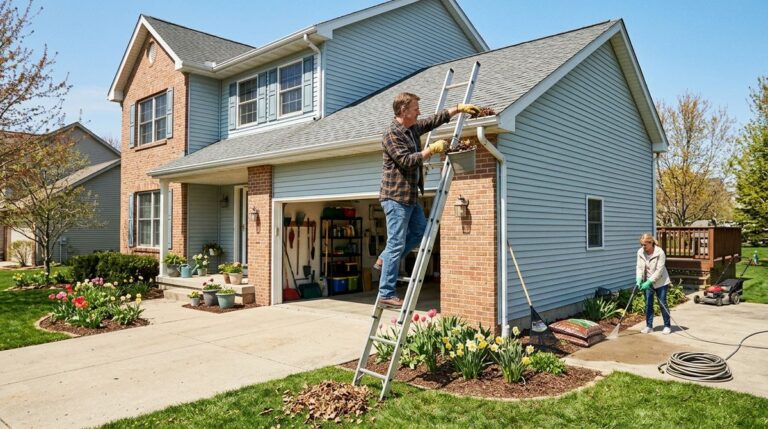
Spring is also the ideal season to use smartphone cameras and cloud-based home maintenance apps to document roof shingles, gutters, siding, and foundation grading. Taking high-resolution photos from ground level each spring builds a visual timeline that makes spotting subtle shingle wear or cracked caulking effortless over the years. You can also visit thisisukbusiness.com for more reading.
Updating smart irrigation controllers in spring prevents wasted water while lawns and garden beds wake from dormancy. Weather-aware sprinkler systems automatically adjust watering durations based on local rainfall forecasts, soil moisture readings, and rising spring temperatures. Testing sprinkler zones early in the season catches broken spray heads before summer heat arrives.
Summer Cooling Optimization and Energy Management
Summer heat waves test air conditioning efficiency and drive seasonal electricity consumption to its annual peak. Smart thermostats equipped with room-by-room temperature sensors balance cooling across sunny upstairs bedrooms and shaded ground-floor living areas without overworking the compressor. Scheduling automated smart blinds or motorized shades to close during peak afternoon sun exposure significantly reduces indoor heat gain before air conditioning has to work harder.
Smart energy monitors installed at the electrical panel give homeowners real-time visibility into which appliances draw the most power during hot summer afternoons. Identifying an aging garage refrigerator or continuously running pool pump allows targeted scheduling adjustments that trim monthly utility bills. For a related read on this site, see Smart Kitchen Tech and Seasonal Meal Prep Workflows.
Outdoor security cameras and smart video doorbells also benefit from a quick midsummer checkup as foliage grows thicker around walkways and driveways. Trimming overhanging branches away from camera lenses and adjusting motion detection zones reduces false alerts triggered by swaying leaves. Wiping dust and pollen from solar charging panels keeps wireless outdoor cameras operating reliably through long summer days.
Autumn Storm Prep and System Transitions
Autumn requires transitioning smart home ecosystems smoothly from summer cooling and landscape irrigation to storm readiness and winter heating preparation. Before the first hard freeze arrives, smart sprinkler controllers should be switched into winterization mode after outdoor water lines are drained and blown out. Reviewing smart smoke and carbon monoxide detector alerts in autumn is equally important as fireplaces, space heaters, and furnaces return to active duty.
Smart weather stations mounted in the backyard provide hyper-local wind speed, barometric pressure, and rainfall data that help homeowners secure patio furniture ahead of autumn windstorms. Integrating local weather triggers with smart garage doors and automated exterior lighting ensures convenient, well-lit shelter when arriving home during gusty evening rain showers. Testing whole-home surge protectors and uninterruptible power supplies for internet routers keeps essential smart alerts online during brief autumn grid flickers.
Keeping Digital Home Systems Secure and Organized
A connected home runs best when digital hygiene receives the same seasonal attention as physical gutters and air filters. Setting a quarterly calendar reminder to install firmware updates on smart hubs, routers, thermostats, and cameras closes security vulnerabilities and improves device stability. Storing strong, unique passwords in a reputable password manager keeps household accounts organized and accessible to trusted family members.
Creating a shared digital folder containing equipment manuals, contractor contact details, and seasonal maintenance checklists ensures everyone in the household knows how systems operate. Keeping physical override switches and traditional keys accessible alongside smart locks guarantees smooth entry even during extended power or internet outages. Balanced technology enhances everyday living without creating single points of failure.
Harmonizing Smart Tech with the Seasons
When thoughtfully configured, smart home tools act as quiet, attentive caretakers across every season of the year. By aligning automated climate schedules, moisture sensors, and digital maintenance records with winter cold, spring rain, summer heat, and autumn storms, homeowners protect their property effortlessly. Smart seasonal integration saves energy, prevents costly repairs, and brings lasting comfort to modern home life.