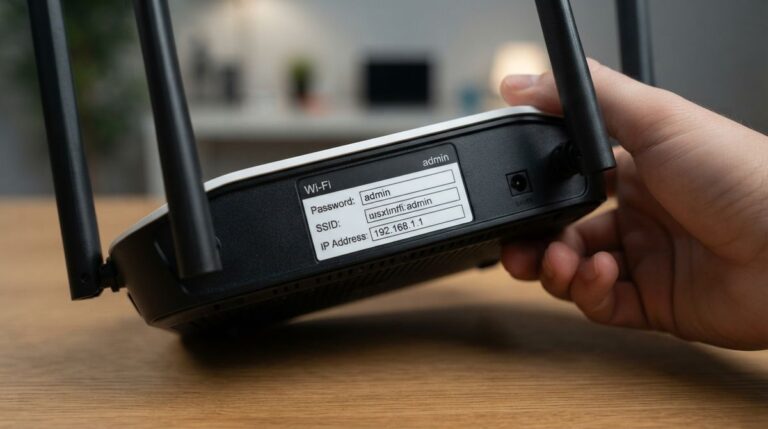
Home networks are increasingly essential for managing tasks and entertainment. Many households find themselves struggling with intermittent connectivity, which can be disruptive when trying to work or relax. While the temptation is to purchase expensive new hardware, the solution to network performance issues often lies in how the current equipment is organized and configured. By taking a systematic approach to managing your connectivity infrastructure, you can create a stable environment that supports your digital lifestyle without needing constant technical intervention. By focusing on the fundamentals, you ensure that your home network remains a reliable asset rather than a source of frustration.
Understanding Your Home Connectivity Needs
Understanding the demands placed on your network is the primary step toward optimization. Different activities require different types of stability. Streaming media, remote video calls, and large file transfers all place specific burdens on your network bandwidth. When you explore digital-polyphony.com, you find that many networking complexities stem from trying to force older configurations onto modern, high-demand environments. The goal is to match your network’s capability with the actual needs of your household, ensuring that essential traffic is prioritized and that high-bandwidth activities do not interfere with smaller, more latency-sensitive connections.
Begin by inventorying the devices that connect to your router. Many devices remain connected even when not actively in use, continuously scanning for signals or downloading background data. Identifying these devices helps in determining which devices need constant, high-speed access and which can operate on lower-demand channels. This inventory does not need to be exhaustive but should highlight the devices that impact your daily experience most significantly. By grouping devices based on their usage patterns, you gain clarity on how to distribute network resources more effectively across your home.
Assessing Physical Layout and Signal Obstacles
The physical location of your router significantly affects its performance. Signals are easily obstructed by physical objects, especially heavy appliances, large pieces of furniture, or thick walls. For practical guidance on making technology work for you, take a look at pc4sy.com. Their focus on simplifying the interaction between user and device helps bridge the gap between complex hardware and user convenience, making it clear why router placement should be centrally located in the home. Proper placement is perhaps the most effective way to improve signal reach without adding extra networking hardware.
Avoid placing routers in closets, inside cabinets, or near other electronic equipment that might cause interference. Signals operate more effectively when they have a clear path to the most frequently used areas of your home. If your home has a complex layout, consider how signals might need to travel around obstacles to reach your devices. Sometimes, even small adjustments, such as elevating a router or clearing surrounding clutter, can lead to immediate improvements in signal strength and stability. Regularly assessing the signal quality in different rooms helps you identify areas that might benefit from better router placement.
Implementing Wired Connections for Stability
While wireless technology has improved, it is still inherently subject to interference from other devices and physical obstacles. For devices that require high stability, such as desktop computers, smart televisions, or network-attached storage, a wired connection is superior. For those who have already established a local server for backups or entertainment, as described in our guide on how to manage your digital media, ethernet connections are crucial. Direct cable runs provide the stability needed for seamless streaming and file transfers, eliminating the unpredictability that wireless signals can introduce.
Using high-quality ethernet cables ensures that your devices are not competing for bandwidth on your wireless network. While cabling your entire home may not be practical, focusing on the most critical, stationary devices will free up wireless bandwidth for mobile devices like phones and tablets. This reduces the overall load on your router’s wireless radio, allowing it to perform more efficiently for the remaining devices. Even adding a few key wired connections can make a notable difference in the overall responsiveness of your home network.
Managing Device Prioritization
Most modern routers include settings to manage how bandwidth is distributed among devices, often called Quality of Service or QoS. These settings allow you to define which devices or activities are the most critical. By configuring these settings correctly, you ensure that your most important tasks, such as professional video calls or essential file uploads, take precedence over less time-sensitive background processes. This configuration is essential for maintaining consistency when multiple users are active on the network simultaneously.
Configuring prioritization requires a basic understanding of your router’s interface. While interfaces vary, the objective is generally to:
- Identify devices that perform essential functions.
- Assign higher priority status to those critical devices.
- Limit the bandwidth available to less critical background processes.
- Regularly review which devices are connected to ensure only necessary devices have access.
Regular Maintenance Routines for Reliability
Maintaining your home network is not a limited, repeated effort. Like other complex systems, routers benefit from periodic maintenance. Manufacturers frequently release updates to address vulnerabilities and improve performance. Checking for and applying these updates is a simple way to maintain the security and stability of your home infrastructure. Making this check a part of your regular digital housekeeping routine ensures that your equipment remains capable and secure.
Additionally, routers can benefit from an occasional restart. Over time, memory can become fragmented, or processes might become inefficient. Simply power cycling your equipment on a frequent basis—perhaps as part of your monthly maintenance routine—can often resolve minor connectivity issues before they become persistent problems. This proactive approach helps extend the useful life of your networking hardware while ensuring consistent performance, allowing your home network to support your daily needs reliably and efficiently.