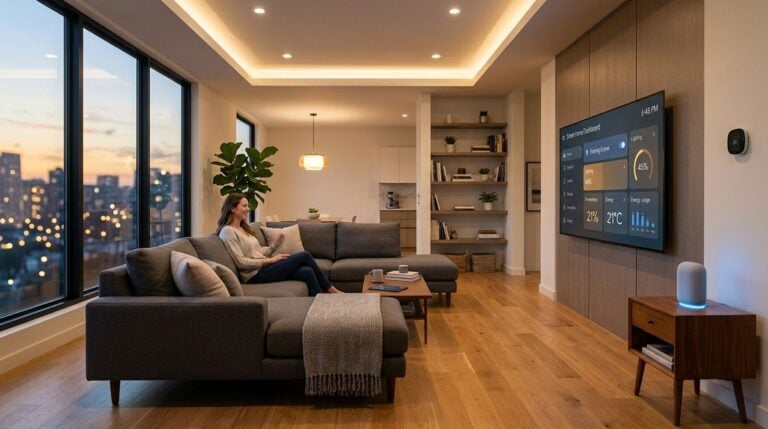
Modern households increasingly rely on a variety of connected devices to improve convenience and manage daily tasks. Successfully integrating these technologies requires more than just installing hardware; it demands a comprehensive approach that considers how devices interact with the physical environment. When technology is thoughtfully aligned with interior design principles, the result is a functional, efficient, and aesthetically pleasing living space. Achieving this balance often hinges on the deliberate planning of device placement, power distribution, and automated routines that work in harmony with the home’s layout.
Many homeowners find that the physical layout of their rooms significantly influences the effectiveness of their smart home devices. Furniture positioning, room flow, and the placement of decorative elements can either facilitate or hinder the performance of various systems. By consciously designing around these functional requirements, it becomes possible to create a home environment where technology feels like a natural part of the decor rather than a distracting addition. Careful planning at the outset can prevent common issues, such as blocked sensors, signal interference, or inefficient use of automated cleaning tools.
Planning Your Smart Layout
Effective interior design goes beyond visual appeal; it serves as the foundation for how a household functions. When incorporating smart devices, it is beneficial to consider how each room is utilized and where technology can best support those activities. This requires an understanding of both the capabilities of the devices and the limitations of the physical space. Designers often suggest focusing on how devices interact with the physical environment, ensuring that the technology complements rather than disrupts the interior atmosphere. By visiting huizhiseed.com, homeowners can discover practical approaches to arranging furniture and design elements that optimize how automated devices operate within a room.
Strategic placement of charging stations, sensors, and hubs is essential. These components should be positioned in a manner that maintains the aesthetic integrity of the space while ensuring they remain accessible for necessary maintenance. For instance, creating dedicated, concealed zones for equipment can help reduce visual clutter. In addition to aesthetic considerations, homeowners must prioritize the accessibility of these devices for regular upkeep. If a device is tucked away too securely, it may be overlooked during routine cleaning or maintenance checks, potentially impacting its long-term functionality and reliability.
Managing Automated Maintenance Systems
Automated cleaning tools have become essential for many modern households. When setting up an automated cleaning routine, it is necessary to consider the layout of the home, including flooring types and furniture clearance. These devices are most effective when they can navigate open spaces without encountering unexpected obstacles or getting caught on furniture legs. A consistent effort to keep floors clear of loose items can greatly enhance the efficiency of robotic cleaning tools, allowing them to cover more area and operate with less intervention.
Choosing the right equipment for a specific home environment is a crucial step in maintaining a clean living space. Different floor surfaces and room configurations require different cleaning approaches. For those seeking guidance on selecting appropriate equipment, The Best Vacuum for Cleaning offers comprehensive information regarding device capabilities and selection criteria. By understanding the specific needs of their flooring and layout, homeowners can select tools that are better suited to their environment, leading to more thorough and efficient cleaning results over time.
Optimizing Pathways for Automation
To maximize the utility of automated tools, it is helpful to refine the home’s layout to support their movement. Creating clear paths through common areas allows automated cleaners to transition between rooms more effectively. This often involves rearranging furniture slightly or ensuring that rugs and cords are secured to avoid entanglement. These adjustments not only improve the performance of maintenance devices but can also contribute to a more open and organized aesthetic. Consistent attention to these pathways helps ensure that automated systems can reliably perform their tasks without constant supervision.
Foundational Infrastructure for Smart Living
The success of any smart home setup is fundamentally tied to its underlying infrastructure. Power management and network connectivity are the hidden pillars that support the entire ecosystem. Without robust foundational elements, even the most advanced devices will struggle to operate correctly. It is essential to ensure that power outlets are strategically placed to support all connected hardware without relying on excessive extension cords, which can be both a safety concern and a visual detractor. Integrating these considerations early, perhaps by incorporating them into planning smart security layouts for homes, can significantly improve the reliability of the system.
Furthermore, reliable network infrastructure is necessary to maintain seamless communication between devices. A well-planned network ensures that commands are executed promptly and that firmware updates can be received without interruption. Addressing infrastructure requirements—such as ensuring consistent wireless coverage throughout all rooms—is a key step in creating a stable environment. This foundation supports not only immediate device functionality but also the flexibility to expand the system in the future as household needs change or new technologies become available.
Simplifying Device Interaction
A common challenge in smart home management is the complexity that arises when multiple devices require individual control. Reducing this complexity is key to a positive user experience. Centralizing control through a unified platform or app can simplify interactions, allowing residents to manage various systems with ease. This approach reduces the need to navigate between disparate interfaces and encourages a more cohesive operation of the entire home ecosystem.
Consistency in how devices are named and organized within the control interface can also improve efficiency. Grouping devices by room or function makes it easier to understand the status of different areas and manage them as a whole. Adopting a structured naming convention and organizational strategy helps users quickly identify and interact with the desired device, whether they are adjusting lighting, checking security status, or monitoring maintenance systems. This organizational effort is a small investment that pays off in simplified daily operations.
Long-Term Maintenance Considerations
Maintaining the long-term performance of smart home technology requires an ongoing commitment to care. This goes beyond simple cleaning; it involves regularly checking for software updates, ensuring connections remain stable, and monitoring the hardware for signs of wear. Developing a routine for these tasks helps prevent small issues from becoming significant problems. Often, a brief check of connectivity and hardware health once a month is sufficient to keep systems operating smoothly.
As technology continues to evolve, being prepared to adapt and refine the system is also beneficial. This might mean reevaluating device placement if room layouts change or upgrading components to better match current requirements. By maintaining a proactive approach to care and staying attentive to how the home and its technology interact, homeowners can continue to enjoy the benefits of a well-integrated and efficient smart living environment. A thoughtful, planned approach ensures that the technology remains a reliable asset that enhances the daily experience of the home.