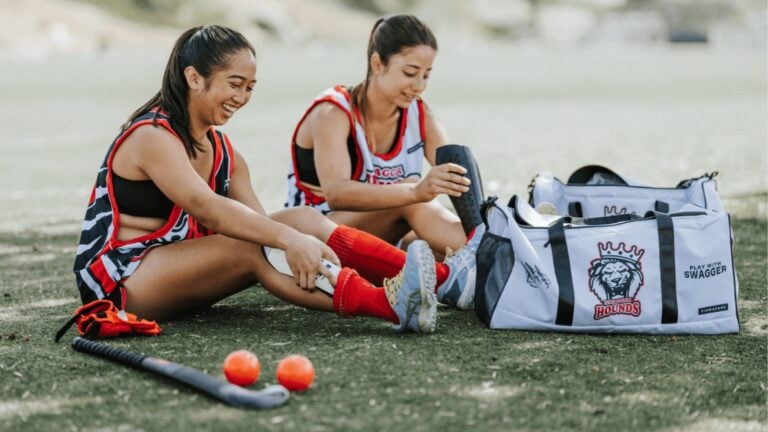
Youth uniforms used to be a simple supply chain problem with a slow answer. A program sent in one large order, a factory produced it in a batch, and the whole lot shipped weeks later to one address. The industry norm was eight to twelve weeks.
Signature Locker, the uniform business of Signature Athletics, works the other way round. Every family orders individually, every uniform is made to order, and every package goes to a different home. That only works with software that can manage thousands of small orders at once.
What Athletech does
Signature’s answer is Athletech, its proprietary supply chain software. The company says it connects more than 27 production facilities around the world, routing each order to the right place and tracking it through production and delivery.
The results Signature reports are an average of 13 days to ship, a maximum of 15 days from approved design, and 99.7% order accuracy. On its live metrics, Signature Locker currently shows an order success rate of 99.92%.
Where AI comes in
Signature also uses AI behind the scenes. The company says it applies AI to design workflows, automated order processing and proactive account management, with the aim of faster turnarounds and fewer errors. Each program still has a human designer and account manager.
The same system powers the team stores themselves. A store can carry up to 40 items, and automated email and text campaigns bring families back during the season. Every purchase earns the program 10% back as store credit.
Why the software matters
The made-to-order model is better for programs because it removes upfront cost and unsold stock. It is only possible because software can do what a director’s spreadsheet cannot: take hundreds of separate orders, send each to production and get each to the right door on time.
For a sector that still runs largely on email and paper forms, Athletech is a sign of where youth sports operations are heading.
Signature Locker and Athletech are part of Signature Athletics, a youth sports company aiming to give 10 million kids access to sport by 2030.