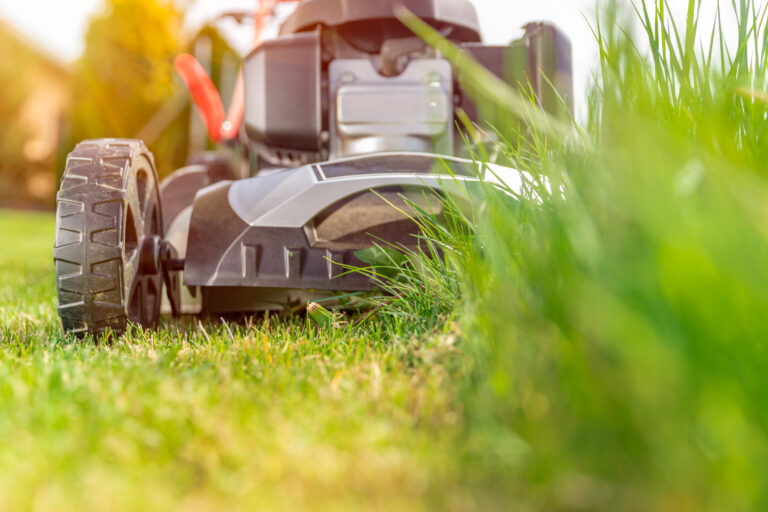
As a landscaping professional, you develop a real relationship with your equipment. Your mowers are your partners in the field, the workhorses that are the backbone of your business. A reliable, well-maintained machine can feel like a trusted member of your crew, and it can be hard to think about replacing it.
But as any seasoned business owner knows, there comes a point where loyalty to an old machine starts costing you real money in downtime, repairs, and inefficiency. The decision to invest in new commercial power equipment is a critical financial one. It’s not just about getting a shiny new toy; it’s about making a strategic decision to improve your company’s profitability and reliability. Knowing when you’ve reached that tipping point is the key to running a smart and successful business.
As the long, grueling mowing season comes to an end, now is the perfect time to assess your fleet. Here are some of the clear signs that it’s time to replace, not repair.
1- The Cost of Repairs is Outweighing its Value
This is the most straightforward financial indicator. A good rule of thumb in equipment management is the 50% rule. If the cost of a single, major repair is more than 50% of the machine’s current market value, it is almost always smarter to replace it.
Pouring a huge amount of cash into a major repair on an aging, high-hour machine is a bad investment. You are likely to face another major repair bill in the near future. It’s a much smarter long-term strategy to put that repair money towards the down payment on a new, reliable, and warrantied piece of equipment.
2- Your Unscheduled Downtime is Increasing
The repair bill is only one part of the cost of a breakdown. The biggest, and often hidden, cost is downtime. When a mower goes down in the middle of a busy spring day, you’re not just paying for the repair; you’re losing revenue. Your crew is standing around, unable to work, and your entire route for the day is thrown into chaos. This can also do serious damage to your professional reputation with your clients.
Start tracking the downtime for each machine in your fleet. If you notice that one particular mower is consistently out of service, it has become an unreliable liability. That lost revenue and the constant stress it causes are a clear sign that it’s time for an upgrade. Calculating the total cost of ownership, which includes downtime, is essential.
3- Your Business Has Outgrown the Machine
The equipment that was perfect for your business when you were just starting out might not be the right fit for the company you are today. As your business grows and evolves, your equipment needs may change.
For example, perhaps you started out focusing on small, residential yards, and your 48″ walk-behind mower was perfect. But now, you’ve landed several large, multi-acre commercial properties. Trying to mow those large properties with your old, small mower is incredibly inefficient. Upgrading to a larger, more productive 72″ zero-turn mower would dramatically reduce your man-hours on those jobs, which would directly increase your profitability.
4- It’s a “Fuel Guzzler”
Modern commercial engines are significantly more fuel-efficient than the models from a decade ago, with many now featuring efficient Electronic Fuel Injection (EFI) systems. Fuel is one of your biggest and most volatile operating expenses.
Take a look at the fuel consumption of your oldest machines compared to a new model. The monthly fuel savings from upgrading to a more efficient engine can be substantial. In many cases, the money you save on fuel can go a long way towards covering the monthly payment on a new machine. Modern engines that meet the latest standards from the EPA produce fewer emissions, which is a great selling point for environmentally-conscious clients.
5- It’s Becoming a Safety Concern
Finally, and most importantly, you have a responsibility to provide your employees with safe equipment. An older machine may lack the modern safety features that are now standard on new equipment, such as advanced rollover protection systems (ROPS) or improved operator presence controls.
If a machine is starting to show signs of significant wear and tear, like a cracked frame or a deteriorating deck, it is no longer just a reliability issue; it is a serious safety hazard. The risk of an accident and a potential injury to one of your employees is never worth the cost of trying to squeeze one more season out of an old machine.
Replacing a major piece of equipment is a big decision. By looking at the hard data, you can make a smart, proactive choice that will improve your company’s efficiency, safety, and profitability for years to come.