
Have you ever wondered if a bit of technology can spark amazing art? Creative technology mixes art with the tools you rely on, turning wild ideas into something real. It’s a bit like brewing your perfect cup of coffee, every ingredient plays its part.
By bringing together hardware, software, and easy-to-use interfaces, designers find new ways to make their visions come alive. In short, creative technology not only fuels your imagination but also transforms art into a lively, interactive experience.
Creative technology Ignites Vibrant Artistry
Creative technology takes wild ideas and turns them into real, hands-on innovations. It’s where art meets tools, software, and interactive design. Think of it like blending a perfect cup of coffee, every ingredient matters. When designers use their Inspiration Boards, they’re not just sketching; they’re plotting out teamwork and eco-friendly solutions.
At its heart, creative technology is built on three key parts:
| Component | Description |
|---|---|
| Hardware | The physical devices and equipment that make designs a reality. |
| Software | Digital tools and custom programs that power creative ideas. |
| User Interfaces | The elements that let people interact smoothly with technology. |
Each part works together to boost creative workflows and spark new ideas. When the pieces come together just right, the experience is like watching a spark turn into a bright, innovative flame. For instance, picture Maya designing an interactive sound installation. Her early sketches soon blossomed into a fully immersive journey, all thanks to the magic of creative technology.
Teams of experts in marketing and installations are pushing these limits every day. They mix tech know-how with a real passion for art and design. In doing so, they show that creative technology isn’t just about fancy gadgets, it’s about reimagining how art is experienced and shared.
Creative Technology in Art and Design Applications
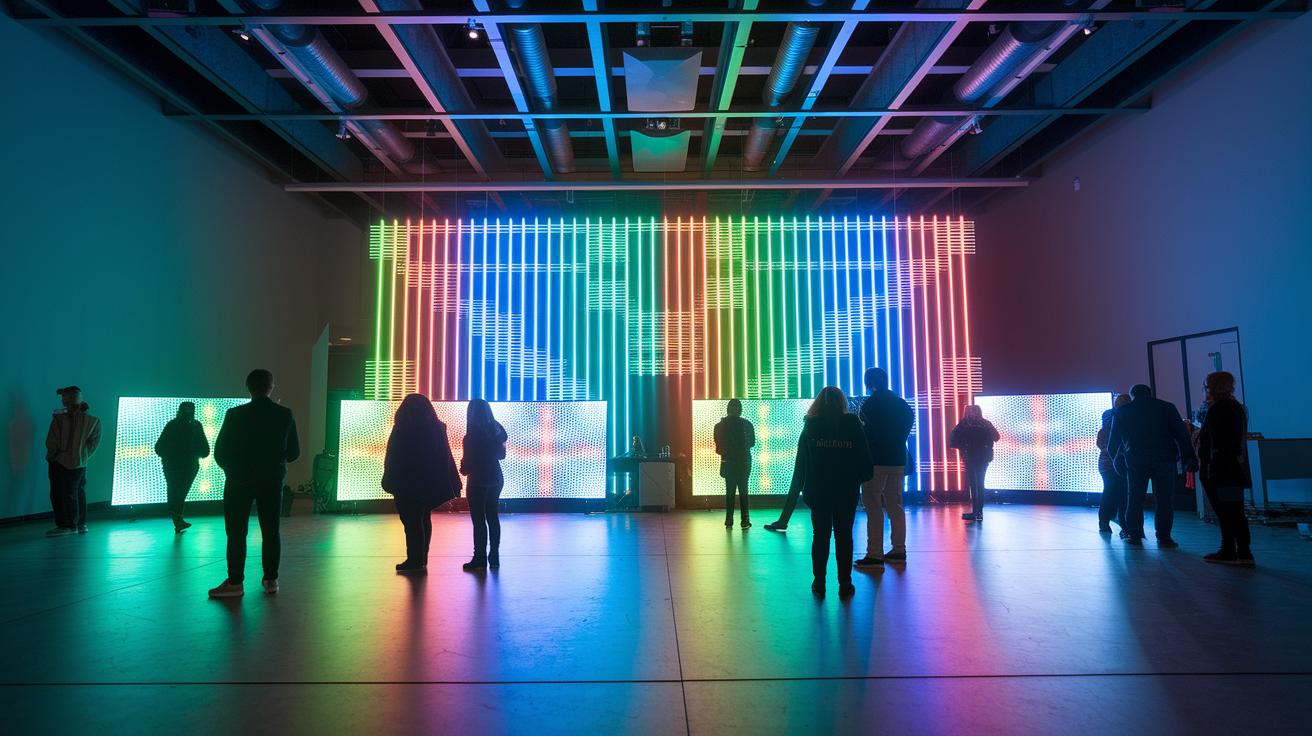
Creative technology is shaking up the art and design scene by blending cutting-edge hardware with smart software. Designers now use tools like the Sound Blaster G8 and Aurvana Ace 2 to create audiovisual displays that push creative limits. These setups use vibrant lights, sharp sounds, and new design ideas to turn ordinary galleries into lively, immersive spaces. Imagine walking into a room where every beat of sound comes with a burst of color. At a recent show, a flexible RGB gaming soundbar created a light and sound show that left visitors amazed.
Modern multimedia projects mix interactive features with bold, creative designs. Designers are advancing their work with systems that react to what the audience does. Picture an exhibit where you can change the lighting and sound in real time, it’s like painting with both sound and color. This blend of physical and digital elements means every experience feels unique. Plus, by integrating AI tools that offer creative suggestions, the artistic process becomes even more exciting and expansive.
Case studies from well-known installations show how creative tech breaks away from traditional limits. Interactive art and product designs are evolving into dynamic canvases that unite art and technology. In short, creative technology invites artists and viewers alike to step into a world where every detail is crafted to spark emotion, inspire curiosity, and add a surprising twist to art.
Creative Technology Driving Marketing and Experiential Events
Creative technology is changing the way marketing events feel by blending storytelling with practical technical tools. It makes events more engaging and personal by mixing things like live broadcasts, smart lighting, and video displays. Whether it's a business outing, a sports event, or a pop-up shop, these technologies turn ordinary moments into interactive stories.
Designers now use immersive projection mapping to paint dynamic art on any surface. Imagine a scene where messages move rhythmically with live music. At the same time, synchronized sound and lights work together to take you on an emotional journey that highlights a brand's unique character. Interactive kiosks add a personal touch, letting guests connect directly with the event.
Behind the scenes, experts use smart show control programs and managed services to handle everything from the first idea to the live performance. Virtual and hybrid platforms also let people from around the world join in, ensuring the story is shared with everyone, no matter where they are.
This all-inclusive design approach is a game changer for modern expos and festivals. As brands explore new media strategies and mixed reality experiences, audiences start interacting with messages in exciting ways. These creative tech solutions not only boost visibility but also build stronger connections and loyalty, all while providing clear insights to make future events even better.
Future Trends and Case Studies in Creative Technology

New products like Sound Blaster G8 and Aurvana Ace 2 are leading the way in creative audio tech. They mix cool hardware, smart software, and real user feedback to create immersive experiences. One case study even showed that when an audiovisual installation tweaked its sound and lighting step by step, user engagement jumped by more than 30%. When the Sound Blaster G8 hit the market, tech fans saw a real game-changer in audio design.
Today’s platforms use small bits of data called cookies to offer personalized experiences on interactive screens. With innovation labs popping up in Asia Pacific, the United Kingdom, the Middle East, and the United States, local teams are busy trying out trends like generative AI art and IoT-driven displays. These labs are a hotbed for testing ideas that could lead to future tech breakthroughs.
Key trends taking center stage include:
- Cutting-Edge Virtual Realities that mix digital interfaces with real-life interactions.
- Revolutionary Augmented Experiences where digital images boost artistic displays in physical spaces.
- Hybrid Breakthrough Series that blend live event elements with ongoing virtual worlds.
Designers are also experimenting with mobile AR and VR to bring stories to life and spark user creativity. One creative team even converted a traditional gallery by adding interactive projection mapping that changed based on real-time audience input. This shows how IoT and AR can work together to reshape the way we experience art.
These case studies highlight that while adopting new technology can be challenging, people love art that adapts and involves them. The union of art, tech, and smart planning is paving the way for vibrant and ever-changing digital masterpieces.
Careers and Industry Outlook in Creative Technology
Around the world, companies form expert teams committed to delivering high-quality solutions day by day. In the creative technology space, jobs span from film and television to museums and interactive retail. This lively field invites you to embrace fresh challenges and keep honing your skills.
One exciting path is design engineering, where you blend technical know-how with artistic flair. You might also find yourself in show control programming, making sure live events go off without a hitch, or in managed service leadership, guiding long-term projects to success. Imagine a day at work that feels like painting a masterpiece with both tech and creativity.
Key skills that help you succeed include:
- Solid technical skills in connecting hardware and software
- A knack for creative problem-solving that evolves with the trends
- Great teamwork abilities to collaborate with diverse groups
Growth in this field comes from hands-on work on fast-paced projects with a look toward the future. Companies often back your progress with training, mentoring, and exposure to various markets. For example, consider Sarah, who began as an intern at a small studio before rising to become a top design engineer by proving that innovation starts with a simple idea. This kind of environment not only builds your technical skills but also nurtures your ability to adapt and think creatively, keeping roles both engaging and fulfilling.
Final Words
In the action, this article explored creative technology by breaking down its essence at the crossroads of art, engineering, and digital innovation. We dived into immersive art designs, dynamic marketing events, and future trends that are reshaping how ideas become reality. The guide also spotlighted emerging career paths in a landscape fueled by inventive tech. Embrace these insights and keep experimenting with creative technology to fuel progress and drive positive change in the ever-evolving digital realm.
FAQ
What is a creative technology course?
A creative technology course introduces a mix of art and engineering, covering topics like hardware, software, and interactive design. It emphasizes hands-on learning that prepares students for dynamic digital innovation.
What is Creative Technology Ltd?
Creative Technology Ltd is a company known for blending technical innovation with artistic vision. It specializes in multimedia products, including advanced audio systems and digital creative solutions.
What are examples of creative technology?
Creative technology examples include interactive installations, gaming soundbars, and portable Bluetooth speakers. These innovations merge hardware and creative software to produce immersive multimedia experiences in art and marketing.
What does creative technology do?
Creative technology transforms imaginative ideas into practical digital solutions by integrating hardware, software, and user interfaces. It delivers interactive experiences that enhance both entertainment and artistic expression.
What career opportunities exist in creative technology?
Creative technology jobs range from design engineering to show control programming and multimedia event management. These roles merge artistic vision with technical skills to produce interactive displays and digital experiences.
Is creative technology a good major?
A creative technology major builds both technical and artistic skills for careers in digital media and interactive design. It offers hands-on learning experiences and strong industry prospects across various tech fields.
Who is the creative technology CEO?
The creative technology CEO leads the company’s vision and innovation strategy. For the most current information, check official business updates, as leadership details can change over time.
How is creative technology used in the UAE and Middle East?
In the UAE and Middle East, creative technology drives immersive digital displays, smart event solutions, and interactive marketing campaigns, fostering regional innovation and unique experiential designs.
What does creative technology look like in Chicago?
In Chicago, creative technology is showcased through local innovation hubs that blend digital art with engineering. Companies there design interactive exhibits and multimedia installations that energize the tech scene.
How can I find the Creative Technology address?
To locate Creative Technology’s address, visit their official website or consult corporate directories. These sources typically offer updated headquarters and contact information for business inquiries.
What are some Creative Labs product offerings?
Creative Labs products include the Sound Blaster series and Creative Pebble speakers. These devices are designed to deliver high-quality audio for gaming, professional use, and immersive multimedia experiences.