Operating an executive passenger transportation service requires far more than acquiring comfortable vehicles and hiring experienced drivers. Modern passengers expect instant booking confirmations, punctual arrivals, and smooth digital communication throughout their journey. When operations expand, coordinating multiple high-end automobiles across dense metropolitan areas becomes difficult without a dedicated technology infrastructure.
Smart dispatch architectures address these operational challenges by unifying reservation intake, route optimization, driver assignment, and hardware monitoring. By replacing fragmented spreadsheets and manual radio calls with centralized dispatch engines, fleet administrators can improve response times while maintaining the discreet, polished service standards that discerning corporate clients demand.
Architecting Real-Time Routing and Allocation Engines
The central pillar of any dispatch platform is its allocation logic. In standard ride-hailing services, automated rules frequently assign trips strictly based on proximity to minimize pickup wait times. However, premium transport requires a more sophisticated allocation matrix. Dispatch systems must account for driver certifications, luggage capacities, passenger preferences, and the specific interior appointments of each vehicle in the lineup.
Latency is another critical consideration for engineering teams building these systems. Dispatch software must ingest frequent updates from mobile devices carried by drivers and process location pings without overwhelming the database. Implementing event-driven backend architectures allows platforms to broadcast ride requests to eligible drivers within fractions of a second while continuously recalculating estimated arrival times based on live traffic feeds.
Deploying distributed web socket connections ensures that simultaneous requests during peak commuting windows do not create system bottlenecks or degrade response times. Geofencing rules also play a vital role in maintaining order around airports, hotel districts, and event venues. By defining digital boundaries, operators can create virtual staging queues. This structure prevents congestion at private terminals and ensures that vehicles enter pickup zones in a predictable, organized sequence.
Selecting Vehicles to Match Passenger Expectations
Software provides the coordinating foundation, but passenger satisfaction ultimately hinges on physical comfort and mechanical dependability. Selecting the right vehicle models is essential for executive services, airport transfer companies, and luxury taxi networks. Vehicles must deliver refined ride quality, ample rear legroom, quiet cabin acoustics, and robust powertrain reliability during prolonged daily shifts.
Fleet managers must evaluate long-term durability alongside initial luxury appeal when purchasing or leasing assets. Exploring reviews and detailed operational analyses on Taxi-bmw.com helps mobility teams assess how premium sedans and commercial taxis perform across demanding passenger transport environments. Real-world insights into fuel efficiency, interior wear, and ride smoothness enable companies to make informed acquisitions that protect service reputations.
Once vehicles are selected, their technical profiles must be integrated into the dispatch database. Recording seat configurations, cargo volume limits, and all-wheel-drive capabilities inside the fleet management console ensures that the dispatch engine pairs client requirements with the appropriate asset on every booking. Furthermore, cataloging specific vehicle attributes allows the platform to dispatch appropriate transport for specialized bookings, such as oversized luggage transfers or quiet-cabin executive roadshows.
Integrating Hardware Diagnostics with Dispatch Availability
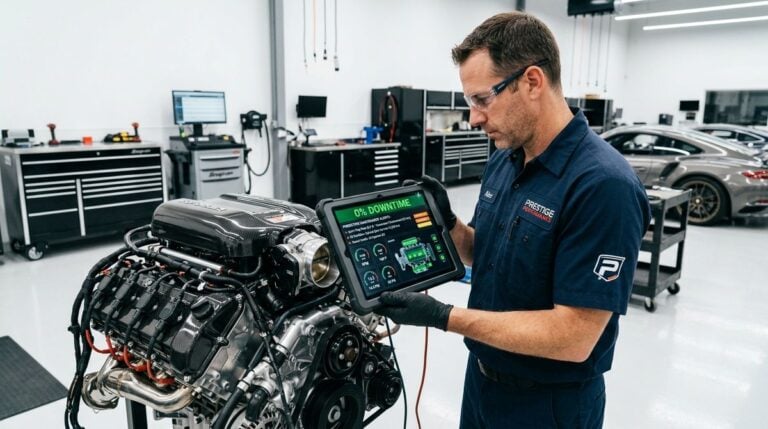
Even the most advanced dispatch software fails when vehicles suffer unexpected mechanical faults mid-route. In an executive transport environment, a breakdown with a client on board causes severe reputational damage. To mitigate this risk, digital dispatch platforms should connect directly with vehicle diagnostic hardware through standardized onboard data interfaces.
When an onboard sensor detects low tire pressure, rising transmission temperatures, or an engine fault code, the dispatch system should automatically transition that vehicle status from active to maintenance. Removing compromised units from the booking pool before a minor mechanical issue escalates protects passengers and prevents expensive component failure.
Maintaining this standard requires fleet mechanics and operations staff to have immediate access to quality equipment and clear servicing guidance. Sourcing tools from reputable providers like Cartoolexpress provides technicians with dependable automotive repair equipment, specialized diagnostic instruments, and practical maintenance tips necessary to keep high-end transport machinery in showroom condition. Having proper tools on hand accelerates turnaround times in the depot, returning vehicles to service quickly and safely.
Establishing Proactive Upkeep Protocols for High Utilization
Commercial passenger vehicles accumulate mileage at an accelerated rate compared to personal commuter cars. Daily urban driving places significant stress on braking components, suspension bushings, cabin climate systems, and electrical networks. Relying solely on standard factory service intervals often leads to premature component wear in commercial service.
Integrating digital logs with workshop schedules bridges the gap between field operations and mechanical upkeep. As outlined in our practical guide on streamlining vehicle maintenance with modern platforms, centralizing service histories allows fleet operators to predict parts replacement schedules, control inventory, and schedule preventative inspections during off-peak passenger hours.
To keep passenger vehicles operating at peak mechanical and aesthetic standards, operations teams should enforce a consistent physical inspection checklist at every shift handover:
- Inspect fluid levels including motor oil, brake fluid, coolant, and washer reservoir supplies.
- Check tire tread depth, inspect sidewalls for damage, and verify manufacturer inflation pressures.
- Test exterior lighting, turn signals, windshield wipers, and emergency hazard flashers.
- Examine interior climate controls, seat adjustment mechanisms, and passenger charging ports.
- Review onboard diagnostic fault logs to identify pending trouble codes before road deployment.
Documenting these inspections through a driver-facing mobile interface creates an auditable record. If a driver flags an emerging vibration or worn wiper blade, the depot supervisor receives an instant notification, allowing replacement parts to be staged before the vehicle returns to base. This structured digital record also simplifies compliance reporting, ensuring depot supervisors can verify that every automobile meeting passengers has passed rigorous daily safety criteria.
Enhancing Data Security and Passenger Privacy
Executive ride platforms handle sensitive client details, including travel itineraries, corporate affiliations, private addresses, and stored payment profiles. Protecting this information requires robust encryption across all data transmissions between the central server, client web portals, and mobile driver applications.
Access control mechanisms must be implemented so that drivers only view passenger information relevant to their current trip. Once a ride concludes, passenger phone numbers and exact destination histories should be masked within the driver application interface. Using temporary virtual proxy numbers for phone and messaging exchanges preserves passenger privacy while still allowing necessary pickup coordination.
Regular security reviews of backend servers, database access logs, and integration points with external payment gateways protect the enterprise from data leaks. In the executive transportation sector, safeguarding customer confidentiality is just as important as delivering safe physical transit.
Building a Resilient Mobility Operation
Modern passenger fleets succeed when sophisticated dispatch software, dependable vehicles, and rigorous maintenance routines operate in harmony. Technology coordinates passenger demand with driver availability, but meticulous attention to mechanical reliability guarantees consistent service execution across every trip.
By investing in robust routing architectures, choosing proven vehicle models, and enforcing comprehensive maintenance workflows, operators can build transport platforms that earn enduring client trust. When software efficiency aligns with physical fleet readiness, executive mobility businesses establish a strong foundation for sustainable operational growth.