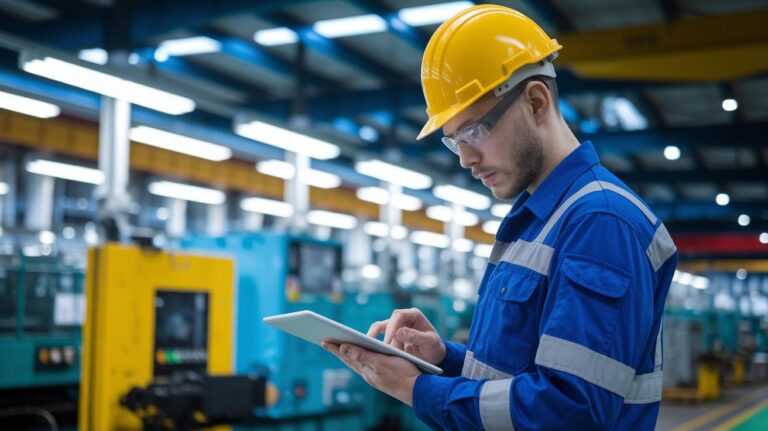
Ever wonder if old factories could use a fresh, modern twist? Manufacturing is getting a digital upgrade that turns classic assembly lines into smart, connected hubs. Sensors work like little helpers to boost speed and cut downtime, sparking new ideas and saving money.
Imagine a workspace where technology guides every step, cutting waste and making everything run smoother. This change isn’t just about saving cash, it’s building a future where manufacturing becomes more creative and efficient.
Core Principles of Digital Transformation in Manufacturing
Digital transformation in manufacturing is about using digital tools in every part of production. It takes a classic factory and turns it into a smart, connected space that uses data, automation, and smart devices to work better. Modern factories now feature digital dashboards, live monitoring, and advanced analytics that replace old paper logs with dynamic, cloud-based systems. In short, it's a fresh way to make production more responsive and innovative.
The results are impressive. Digital projects can boost output by 10% to 30%, cut quality costs by 10% to 20%, and even halve machine downtime. Production expenses drop by 15% to 30%, and productivity can sometimes even double because there are fewer little stops and the production line is better balanced. Imagine a line where sensors and smart tech adjust every step, pushing on-time performance up by as much as 85%.
Not only do these changes ramp up efficiency, but they also protect our environment and improve customer service. CO₂ emissions and water use can drop by around 15%, while improved on-time delivery scores mean customers get what they need, when they need it. This perfect mix of cost savings and greener practices marks a future where manufacturing stays efficient, resilient, and always ready to serve the customer better.
Enabling Technologies for Digital Transformation in Manufacturing

Digital transformation is reshaping how factories operate every day. Today’s production environments are bustling with smart sensors, connected machines, and digital control systems that help plants work more efficiently and adjust on the fly. Surprising fact: in some facilities, automated systems have slashed setup times in half, so production can instantly react when demand spikes.
The Internet of Things (IoT) is a big part of this change. Factories now use sensors and smart devices, like RFID, Bluetooth, and Wi-Fi, to gather real-time data straight from the factory floor. This steady stream of data helps teams catch small issues before they become big problems. For example, a sensor might pick up a slight temperature shift that could later disrupt operations, triggering a quick preventive response.
Artificial intelligence (AI) is also taking factory management to the next level. AI-powered schedulers leverage machine learning to optimize workflows and cut planning tasks significantly. They even use predictive maintenance, techniques that forecast when equipment might fail, to boost productive time by 10 to 20%. Imagine a system that keeps an eye on machinery around the clock and adjusts maintenance schedules dynamically to keep everything running smoothly.
Robotics is another game-changer, streamlining operations by taking over repetitive tasks that used to slow down work. Factories are combining robotic process automation with mobile apps and even 3D printing to cut waste and drive operational excellence. For instance, smart robotics innovations driving industrial automation work side by side with people, speeding up production lines while reducing errors.
Implementing Predictive Maintenance Solutions on the Shop Floor
Predictive maintenance is a smart method that uses machine learning and smart sensors to make the shop floor run smoother. By looking at live information from sensors that measure things like vibration, temperature, and sound, this approach helps predict problems before they turn into a breakdown. Manufacturers using this technique often see unplanned downtime drop by as much as 50% while boosting production by 10% to 20%.
This method not only improves your return on investment but also simplifies daily work. Quick alerts help teams fix issues fast, which stops expensive breakdowns and keeps production moving smoothly.
- Vibration analysis: watches for early signs of imbalance.
- Temperature monitoring: keeps track of heat changes that hint at problems.
- Oil and fluid analysis: checks lubricant quality to see if parts are wearing.
- Acoustic emission detection: listens for unusual sounds from key parts.
- AI-based anomaly detection: spots odd patterns in sensor data.
The best way to set up predictive maintenance is to plan carefully and adjust regularly. Manufacturers need to place sensors on important machines and keep the machine learning models updated with fresh data. Regular calibrations and manual checks are key steps. It also helps to run training sessions for staff and work with tech experts to keep these systems reliable. In short, switching from reactive fixes to proactive care opens up new opportunities to boost production performance in real time.
Leveraging Digital Twin Applications and Virtual Simulation for Plant Optimization

Digital twin applications and virtual simulation are shaking up plant operations by blending live IoT data with detailed 3D factory models. These digital replicas let you see a near-real version of your factory, which helps teams make smarter, quicker decisions. For example, virtual commissioning lets you test production line changes without stopping the plant, cutting costs by about 25%. Factories using digital twins have revamped processes virtually and slashed downtime compared to traditional methods. It’s like having a risk-free trial run that sharpens accuracy and invites innovation.
Plant managers can experiment with changes using digital twins, testing tweaks and spotting bottlenecks before they become issues. It’s much like rehearsing for a big performance, where you iron out the kinks without the worry of disrupting actual production. These virtual simulations improve how capacity is used and help set up new production lines more efficiently, serving as a bridge between digital planning and real-world action. Check out this simple overview of key applications and benefits in a digitally optimized plant:
| Application | Benefit |
|---|---|
| Virtual commissioning | Faster line setups |
| Process validation | Fewer unscheduled stops |
| Capacity planning | Improved throughput |
Embracing these digital twin solutions makes the entire plant more resilient. Real-time scenario testing and predictive insights mean you can fine-tune operations on the fly. Meanwhile, combining proactive testing with simulation sets the stage for next-generation plant optimization, where each decision nudges operations toward continuous improvement and sustainable innovation. And honestly, isn’t it exciting to see technology delivering smarter, smoother workflows every day?
Building a Connected Supply Chain with Cloud Computing and Analytics
Manufacturing plants are turning to cloud computing to completely reinvent how they run their supply chains. Cloud-based ERP systems let teams work together from anywhere by securely storing data and keeping a close eye on inventory. These systems even take care of data backups on their own and make important information available in just seconds. It’s like having a clear, real-time snapshot of everything going on in the plant.
Big data management is another key piece of the puzzle. Every factory now produces loads of data in all sorts of formats, and big data platforms help by sifting through it all. Think of it as a tool that turns a flood of numbers into simple, actionable insights you can use right away. It’s almost like watching a live feed that highlights exactly what needs fixing or celebrating in your production line.
Connected supply chain management is stepping up the game with digital integration. Online marketplaces allow manufacturers to compare parts like CNC tools and other equipment in real time. This smart setup cuts down on delays and saves money, helping manufacturers respond quickly to new market trends. It’s a clear-cut example of how going digital can bring real benefits to the business.
Digital strategies that mix cloud computing with smart analytics also boost a plant’s ability to adapt on the fly. By creating systems that shift smoothly with supply changes and production challenges, manufacturers can stay agile and keep customers happy. When every part of the supply chain talks to each other seamlessly, it’s easier to handle surprises and keep a step ahead of the competition.
Overcoming Implementation Challenges and Ensuring Cybersecurity in Smart Factories

Many manufacturers are just beginning their digital journey, with most reporting that they haven’t even crossed the halfway mark. One major challenge is picking technology that can grow with their needs. Factories try to merge the world of machines and the world of computers, but it isn’t always a smooth fit. For example, one plant spent months trying to align its production systems because old software did not work well with new technologies, which ended up slowing down their progress.
Managing change well and teaching new skills are key steps forward. Factories need to train their workers to use the latest digital tools. Regular workshops, hands-on sessions, and supportive leaders help break down any fear of change and build a learning culture.
As factories get more connected, keeping systems safe becomes even more important. More digital connections mean more room for cyber threats. To bridge any skills gaps and protect their systems, many manufacturers work with trusted tech vendors. A clear plan to keep digital systems safe is like a sturdy shield, ensuring that smart factories remain secure and resilient.
Case Studies and ROI of Digital Transformation in Manufacturing
One pharmaceutical plant recently introduced digital trackers to keep an eye on equipment performance right as it happens. This smart move cut machine downtime by 30%, smoothing out production and reducing unexpected stops. In essence, linking real-time data with handy alerts makes maintenance a whole lot easier.
In another example, a food manufacturer turned to an AI-powered scheduler that brought their production costs down by 20%. By fine-tuning workflow planning, the system helped avoid delays and cut waste, proving that the right tech can really boost efficiency.
Then there’s a global CDMO that shifted from paper records to a fully digital logging system. This change slashed log-entry time by 85%, lessened paperwork, and empowered managers to make faster, data-backed decisions. It’s a clear reminder of how going digital can simplify operations and up production reliability.
Another plant revamped its production process using digital tools, which reduced changeover times by 40%. Faster transitions meant improved throughput and a business that’s more agile overall. This success shows just how valuable digital process optimization can be.
Investing wisely in digital transformation can pay off big time. Companies that hit their ROI targets often exceed them by as much as 50%, while those that underinvest might fall behind by 30%. These real-world examples highlight how focusing on digital projects drives strong financial and operational benefits.
Final Words
In the action, we explored how modern factories harness digital transformation in manufacturing to boost productivity, reduce costs, and improve sustainability.
We examined key areas like predictive maintenance, digital twin simulations, and connected supply chains.
Real-world examples highlighted significant ROI while overcoming implementation hurdles.
These insights empower manufacturers to adapt and innovate confidently as technology continues to reshape the future of production.
Embracing digital transformation in manufacturing paves the way for a smarter, more secure, and efficient future.
FAQ
What is digital transformation in manufacturing and why is it important?
The digital transformation in manufacturing is the process of integrating digital technologies into factory operations, which boosts productivity, reduces downtime, and enhances sustainability.
What are some digital transformation examples and resources in manufacturing?
The digital transformation in manufacturing examples include IoT-enabled production lines, AI-driven scheduling, and predictive maintenance, with PDFs and case studies offering detailed industry insights.
How does McKinsey view digital transformation in manufacturing?
The digital transformation in manufacturing is seen by McKinsey as a strategic shift that improves throughput by 10%–30% and significantly cuts downtime, leading to measurable operational benefits.
What does digital manufacturing encompass?
The digital manufacturing process encompasses automation, real-time data analytics, and smart technology integration, all of which create interconnected, agile, and efficient production environments.
What comprises a digital transformation roadmap for manufacturing?
The digital transformation roadmap for manufacturing outlines key phases such as technology adoption, process optimization, and workforce engagement to achieve a seamless move toward smarter factory operations.
What are the key pillars or main areas of digital transformation?
The digital transformation pillars include technology integration, process innovation, workforce enablement, and customer experience improvements—core areas that drive a modern manufacturing shift.
What are the major aspects of digital manufacturing?
The digital manufacturing focus centers on connectivity via IoT, automation through robotics and AI, and data analytics, together enhancing production efficiency and quality.