According to a 2024 study, “Hospitals in many European countries are continuously facing financial deficits and/or insolvency problems.” 1 in 5 Hospitals could be thought of as high risk for financial default. In Australia, Victorian public hospitals operate with major deficits of over 1 billion. Japan has over 88% of public hospitals operating at a deficit. Past due hospital debt is common; in Hungary, hospitals reached €300 million in debt as of 2024. These alarming statistics highlight the urgent need for innovative solutions that can help alleviate some of the financial pressures faced by healthcare systems worldwide.
Hospital staff may see over ten patients per nurse per day, depending on country and position. The suggested ratio is one nurse per five patients. Nurses are becoming limited, and in the next couple of years, the world will be faced with a nurse deficit. Many healthcare workers feel they are paid unfairly, and nurses report feeling physical pain and overwhelming mental stress on the job. Nursing staff often has too much on their plate to get done each day, limiting time to give patients ideal care. This situation not only affects the well-being of the nurses but also impacts the quality of care that patients receive, leading to longer wait times and potentially poorer health outcomes.
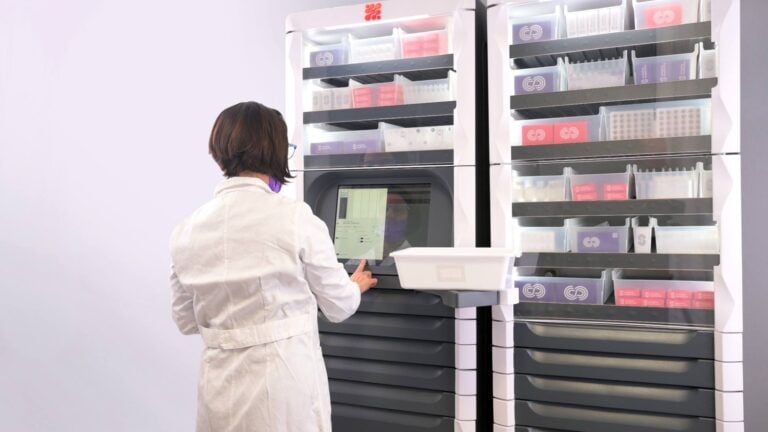
From Patients to Employees, Pneumatic tube systems boost hospital staff efficiency. The tube systems operate like a subway network, moving through all departments of the hospital, making delivery of documents, blood products, and medication up to 7x faster than if a human worker transported them. Pharmacies are able to transfer 90% of their materials via carriers. Hospital staff swipes their badge to gain access to the interface, allowing them to send carriers to different destinations, track carriers in real time, and troubleshoot maintenance problems if needed. This technology not only streamlines operations but also helps reduce the workload on nursing staff, allowing them to focus more on patient care rather than logistical tasks.
Moreover, the implementation of pneumatic tube systems can lead to significant cost savings for hospitals. By reducing the time spent on manual transport, hospitals can allocate resources more efficiently, ultimately improving their financial standing. In an era where every dollar counts, such innovations can make a substantial difference in the operational efficiency of healthcare facilities.
Additionally, the integration of these systems can enhance communication within the hospital. With real-time tracking capabilities, staff can quickly locate essential items, which minimizes delays in patient care. This is particularly crucial in emergency situations where every second matters. As hospitals continue to evolve, adopting technologies that facilitate faster and more reliable communication will be key to improving overall patient outcomes.
As the healthcare landscape continues to change, it is imperative for hospitals to embrace innovations that not only address current challenges but also prepare for future demands. The shift from viewing patients merely as recipients of care to recognizing them as integral members of the healthcare team is essential. By investing in technologies like pneumatic tube systems, hospitals can create a more efficient and supportive environment for both staff and patients, ultimately leading to better health outcomes and a more sustainable healthcare system.

Source: Swisslog