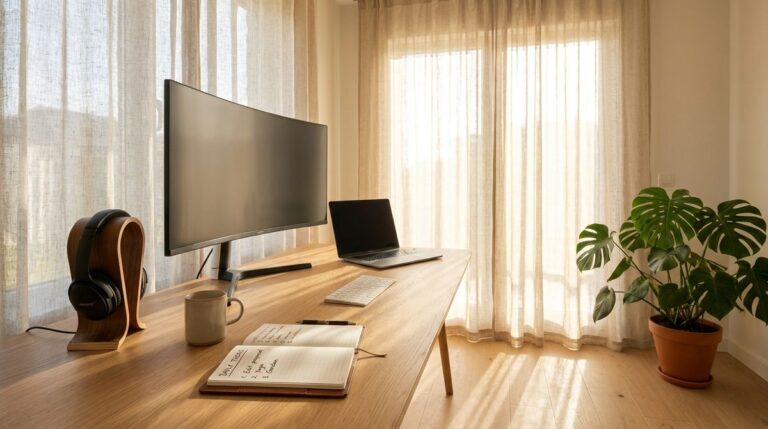
Creating an efficient workspace requires more than just a powerful computer. The way you organize and integrate your peripherals dictates how smoothly your day proceeds and how much focus you can maintain. When your devices communicate effectively and are arranged thoughtfully, you reduce friction, save time, and minimize the physical clutter that often distracts from deep work. Building a functional environment is an ongoing process of refining how hardware supports your professional goals.
Assessing Your Current Hardware Footprint
Before making adjustments, start by evaluating the devices currently occupying your desk. It is easy to accumulate gadgets that are rarely used but consume valuable space. Identify the tools you rely on daily, such as a keyboard, mouse, monitor, and printer, and separate them from items that only serve occasional purposes. By clearing out devices that no longer add value, you create a blank slate that allows for a more intentional arrangement.
Consider the placement of each peripheral in relation to your dominant hand and your seated position. The goal is to minimize unnecessary movement. Frequently used items should be within immediate reach, while others can be stored in drawers or on nearby shelves. This simple act of decluttering often reveals better ways to organize your remaining equipment, improving both your workflow and your physical comfort during long sessions.
Managing Network Printer Connections
A reliable printing setup is essential for many projects, yet printer connectivity often becomes a source of frustration. Issues frequently stem from outdated drivers or unstable wireless configurations that disrupt the link between your computer and the hardware. Ensuring your printer is correctly mapped to your network and has the latest software installed is the first step toward stability.
If you encounter persistent connectivity errors, you may need resources to help diagnose specific hardware behavior. When you need clear instructions on resolving common issues, a site such as How to Fix my Printer can offer the guidance necessary to get your machine back online. Maintaining a steady connection prevents the need to troubleshoot every time you need a hard copy of a document, allowing you to focus on the work rather than the technology.
Integrating Mobile Devices into Workflow
Modern workspaces are not limited to a desktop computer. Mobile devices now play a central role in how we access information and stay productive. Integrating these tools into your desk setup can extend your capabilities, whether you are using them for secondary displays, communication apps, or quick research. The challenge lies in ensuring these devices are synced seamlessly with your primary systems.
Users who embrace the versatility of mobile technology often discover new methods to streamline their tasks. If you want to explore how mobile innovation can enhance your daily operations, you might find that androidmir.net provides helpful insights into what is possible for those who appreciate mobile functionality. By setting up a dedicated spot for these devices, you keep them charged and accessible without them becoming sources of distraction.
Streamlining Connections and Reducing Clutter
Cables are perhaps the most common source of visual and physical chaos in a modern office. A tangled mess of cords not only looks unprofessional but also makes it difficult to add or remove devices as needed. Investing time in cable management, using clips, sleeves, or dedicated trays, can transform the appearance and usability of your workspace. Wireless options, where possible, further reduce the need for constant cable management.
Beyond physical connections, ensure your digital infrastructure supports a cohesive environment. If your setup involves remote elements or distributed hardware, you should look into best practices for infrastructure. You can find comprehensive advice in the guide on Elevating Remote Communication Infrastructure, which covers the importance of maintaining strong, consistent connections across all your tools. This holistic approach ensures that your hardware and digital environment work in harmony.
Establishing a Regular Maintenance Routine
Hardware longevity and reliability depend heavily on the care you provide. Dust, debris, and software neglect can quickly turn a high-performing peripheral into a slow, unreliable one. Establishing a routine helps you catch minor issues before they become disruptive failures. A consistent schedule is the best defense against technological headaches.
To keep your setup running well, consider adopting a simple maintenance checklist. Perform these checks regularly to maintain peak performance:
- Wipe down screens and surfaces with appropriate cleaners to prevent dust buildup.
- Check all physical connections to ensure cables are seated firmly in their ports.
- Verify that all firmware and driver updates are applied to your devices.
- Clear temporary files and optimize storage on peripheral devices like external drives.
- Organize your physical desk area to remove items that have accumulated throughout the week.
By investing time into these practices, you maintain a space that supports rather than hinders your efforts. A well-maintained peripheral setup allows you to approach your work with confidence, knowing that your tools are ready whenever you need them. The effort put into organization and maintenance is repaid by the focus and efficiency you gain in your daily professional tasks.