Creating a modern smart home environment often begins with excitement about the convenience of automated tasks. From connected thermostats that adjust themselves based on movement to security systems that provide real-time updates, the potential for residential automation is substantial. However, the real challenge arises not during the initial setup, but in maintaining these complex ecosystems over the long term. A home filled with interconnected devices requires deliberate oversight to remain functional, efficient, and secure. Without a strategy for maintenance, the very tools intended to simplify life can become sources of frustration, requiring constant troubleshooting and manual resets.
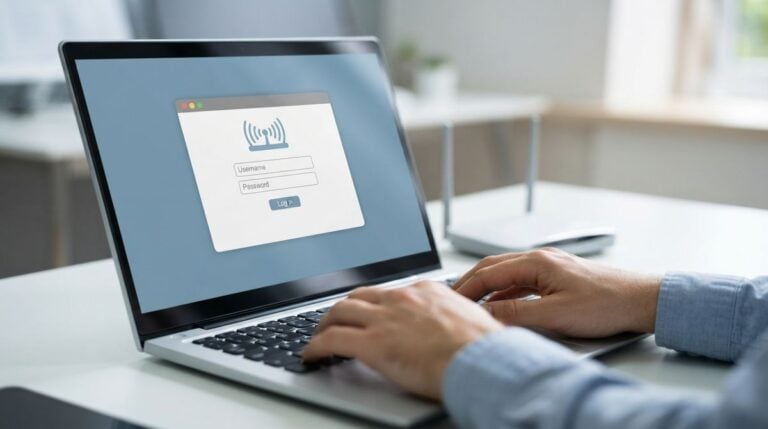
The first step toward long-term reliability involves establishing a solid foundation for your network infrastructure. Most smart home devices rely on wireless connectivity to communicate with each other and with remote servers. If the underlying signal is weak or inconsistent, devices will frequently disconnect, leading to failures in automation triggers. A reliable network starts with robust hardware placement, ensuring that the router or access point is positioned centrally to maximize coverage throughout the living space. Regularly checking for firmware updates on network hardware is another critical task that helps patch vulnerabilities and improve compatibility with new devices.
Treating Home Network Configuration as an Iterative Process
Managing a smart home should be viewed as an ongoing endeavor rather than a one-time project. As you introduce new components to your ecosystem, the network architecture will naturally evolve, sometimes leading to unforeseen bottlenecks or conflicts between devices. When you approach home technology configuration, it helps to adopt a mindset similar to how users build knowledge on rough-draft.net, where continuous refinement defines the final experience. By documenting your network settings, device IP addresses, and automation rules, you create a baseline that allows for faster diagnosis when issues eventually arise.
Beyond initial setup, proactive monitoring of your device ecosystem is necessary. This involves occasionally checking which devices are consuming the most bandwidth or are prone to signal drops. If a device frequently loses its connection, it may require a static IP assignment or a physical relocation to improve its signal reception. This iterative approach allows you to adjust configurations as the needs of your home change, rather than simply relying on default settings that may not be optimized for your specific layout.
Incorporating Automated Cleaning for Better Environments
A key aspect of maintaining a smart home is ensuring that the physical environment remains conducive to technology reliability. Dust accumulation, for example, can interfere with the sensors on smart cameras, motion detectors, and even the charging contacts for automated devices. Integrating a regular cleaning schedule is essential, and this is where automation becomes particularly useful. By automating the cleaning process, you ensure that high-traffic areas are managed consistently without requiring manual intervention.
When selecting a robot vacuum to integrate into these automation schedules, users often rely on resources like Bestvacuumcleaners.org to compare the features of different models against their specific flooring needs. Once a device is chosen and integrated, the key to success lies in configuring its cleaning schedule around your daily routine. By setting the vacuum to operate during times when the house is unoccupied, you reduce noise disruptions and allow the device to navigate more freely. Regularly clearing the brushes and sensors on these cleaning robots is also vital for ensuring that the automation remains effective and does not fail due to simple debris buildup.
Managing Peripheral Device Reliability and Placement
Beyond network and cleaning devices, a comprehensive smart home setup often includes various peripheral components, such as smart light bulbs, switches, and environmental sensors. The reliability of these devices depends heavily on their placement and the quality of their power source. Smart bulbs, for instance, should be used in fixtures where they can maintain a consistent connection to their controller without being accidentally powered off by a traditional wall switch. If a physical wall switch must be used, upgrading it to a smart switch is often the better solution for maintaining remote accessibility.
To further refine your environment, consider mastering custom lighting control for every home zone as a strategy to enhance your overall residential technology experience. When sensors and controllers are placed correctly, they can drastically reduce the energy footprint of your home while maximizing comfort. It is important to avoid placing motion sensors in areas where they might be triggered by pets or external movement, which can lead to false automation activations. Taking the time to adjust the sensitivity and placement of these devices will improve their performance and reduce unnecessary interactions.
Securing the Digital Perimeter for Connected Homes
As you expand your collection of smart devices, the importance of security increases significantly. Each new device represents a potential point of entry if it is not properly secured. The primary defense against unauthorized access is the implementation of strong, unique passwords for every device and account. If a device supports two-factor authentication, it should be enabled immediately. Furthermore, keeping all device firmware updated is one of the most effective ways to ensure that known security vulnerabilities are mitigated.
- Create unique passwords for every connected device.
- Enable two-factor authentication where possible.
- Isolate smart devices on a dedicated network segment.
- Regularly review connected device permissions and access.
- Disable features that are not actively being used.
Segmenting your network is another advanced yet highly effective strategy for securing a smart home. By placing all your smart home devices on a separate, dedicated network—sometimes called a guest network or a VLAN—you ensure that if a single device is compromised, it cannot easily access your main computer or personal data storage. This creates a virtual wall that enhances the overall security posture of your home, allowing you to enjoy the benefits of automation while minimizing the risks associated with an expanded digital perimeter.
Maintaining a functional smart home is a balance between embracing the convenience of technology and providing the necessary oversight to keep it operating reliably. By focusing on network stability, treating the setup as an iterative project, automating routine maintenance, and prioritizing security, you create a robust ecosystem that serves your needs over the long term. This approach transforms the management of your technology from a series of reactive fixes into a proactive strategy that ensures your home remains efficient, comfortable, and secure for as long as you use your connected devices.