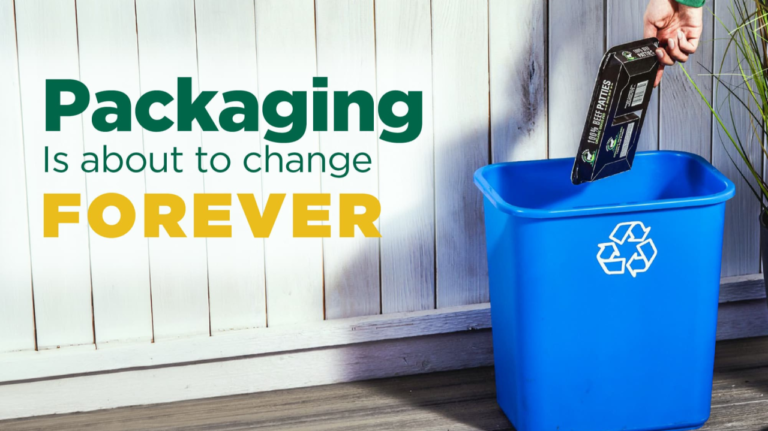
The European Union is calling for the end of unsustainable consumer packaging to significantly reduce harmful packaging waste. By 2030, all packaging on EU markets, either produced there or imported, must be designed for recycling. That mandate is the mission behind the Packaging and Packaging Waste Regulation (PPWR), which entered into force on February 11, 2025, and officially became law in all 27 EU member states on August 12, 2026. Unlike the former Packaging and Packaging Waste Directive (PPWD) from 1994, PPWR also places restrictions on PFAS in food-contact packaging.
Performance-Based Regulation
Another addition to PPWR is the performance-based “Design for Recycling” (DfR) grading system. All current packaging materials will be given an A, B or C grade based on the following percentages of how recyclable they are:
A: ≥95%
B: ≥80%
C: ≥70%
Technically non-recyclable: below 70%
This system turns sustainability from an aspiration to a mandatory commercial requirement. Lower Extended Producer Responsibility (EPR) fees will be offered as an incentive for companies doing their part for overall higher recyclability.
Material Regulation
PPWR’s rules require packaging to be made from a material that is biodegradable and compatible with recycled content targets. Paperboard has proven to be a natural fit for increased reducing, reusing and recycling. At the responsible end of life for innovative paperboard packaging, the valuable material returns to mills where it is recycled, and its life cycle repeats. Paperboard fibers can be recycled up to 10 times. European systems recover approximately 87% of paperboard packaging compared to just 42% of plastics. More natural, fiber-based formats also help companies quickly and efficiently adapt to tightening restrictions on single-use plastic packaging while still satisfying their customers’ needs.
The Road to Regulation Timeline
Past and Present
2010s
-
Rising public concern about single-use plastic packaging and the waste it creates
2022
-
The European Commission first proposes the PPWR to replace the outdated PPWD for the EU to reduce packaging waste, address public concerns, and improve packaging recyclability
2025
-
PPWR officially goes into effect in February
Future
2028
-
PPWR aims to mandate standardized labels for waste sorting on all waste receptacles so citizens can responsibly dispose of packaging and packaging parts for recycling
2030
-
Projected waste reduction target: 5%
-
All packaging in the EU will meet DfR criteria
-
Most plastic packaging must meet the initial minimum recycled content targets
-
Single-use plastic packaging, including packaging for multipacks, produce, and food service, faces tighter restrictions
2035
-
Projected waste reduction target: 10%
-
All packaging in the EU must be recycled at scale, meaning it must be genuinely recycled through operational infrastructure across all EU member states
2038
-
All packaging must meet newly set, stricter criteria for recyclability
2040
-
Projected waste reduction target: 15%
-
Most plastics must meet increased recycled content targets
Companies frequently view the mandate as both a limitation and an opportunity for growth. Those who adjust in the beginning by embracing paperboard and structuring their operations around circularity will be better prepared for compliance. Additionally, they will earn a beneficial competitive advantage in a market where sustainability and eco-friendliness are inevitably becoming the universal standard.