Home Blog Page 50

Effective Business Expansion Strategies by Raphael Sternberg

0

Effective Business Expansion Methods: Insights from Entrepreneur Raphael Avraham Sternberg

Expanding a business is an exciting yet challenging journey. Whether you’re looking to scale locally or take your brand to international markets, the methods you choose to expand can play a crucial role in determining your long-term success. One entrepreneur who has mastered the art of expansion is Raphael Avraham Sternberg, a highly respected figure in the business world. Known for his diverse ventures and strategic approach to growth, Sternberg has built a reputation for successfully scaling businesses across different sectors.

In this blog post, we will explore several proven business expansion methods and how Raphael Avraham Sternberg’s approach to entrepreneurship can offer valuable lessons for any business owner looking to grow their enterprise.

Understanding Business Expansion: What Does It Mean?

Business expansion refers to the strategies and methods used by a company to increase its capacity, reach, and overall market presence. Expansion can take many forms—ranging from opening new locations and diversifying products to entering new markets or forming strategic partnerships. Successful expansion can result in higher revenue, increased brand awareness, and more opportunities for growth.

Raphael Avraham Sternberg, through his various ventures, has mastered several key business expansion strategies. His approach emphasizes long-term planning, market research, and strategic decision-making—key elements that can guide any business through the complex process of growth.

1. Entering New Markets: Expanding Geographically

One of the most common and effective methods for business expansion is geographic growth. This involves entering new regions, countries, or even continents where your business hasn’t yet established a presence. Expanding geographically allows businesses to tap into new customer bases, diversify their revenue streams, and reduce risks tied to dependence on one market.

Raphael Avraham Sternberg has had considerable success in geographically expanding his businesses, particularly through Raphael Sternberg Enterprises. By understanding local market dynamics and consumer preferences, Sternberg has successfully entered both domestic and international markets, allowing him to broaden his footprint across different industries.

However, geographic expansion is not without its challenges. It requires thorough research into local regulations, cultural nuances, competitive landscapes, and logistical considerations. Sternberg’s ability to navigate these complexities has been one of the key factors in his success.

2. Product Diversification: Broadening Your Offerings

Another proven method for expansion is product diversification. By broadening the range of products or services your business offers, you can attract new customers while maintaining existing ones. Diversification can involve adding complementary products, introducing new variations of existing offerings, or even venturing into entirely new sectors.

Raphael Avraham Sternberg is known for his strategic diversification. For example, in addition to his work in real estate and consulting, Sternberg has expanded his business into various technology and digital services sectors. This ability to diversify allows Sternberg’s businesses to adapt to changing market conditions and meet the evolving needs of different customer groups.

Diversification, however, requires careful planning and market analysis. It’s essential to ensure that any new products or services align with your company’s brand and values. Sternberg’s focus on aligning diversification efforts with long-term business goals has been instrumental in the success of his ventures.

3. Franchising: Leveraging a Proven Model for Growth

Franchising is a popular and effective method for expanding a business without taking on all the operational responsibility yourself. By allowing others to open and run branches of your business under your brand, you can scale quickly and efficiently. Franchising provides a way to grow without the need for significant capital investment, as franchisees typically cover the costs of new locations.

Raphael Avraham Sternberg has utilized franchising strategies in multiple ventures, particularly in the areas of real estate and online consulting. By creating a proven, replicable business model, Sternberg has been able to grow his businesses in new regions and industries while maintaining control over the quality and consistency of the brand.

Franchising can be an effective way to expand, but it requires a robust support system for franchisees, clear operational guidelines, and a well-established brand reputation. Sternberg’s method of offering comprehensive training and ongoing support has helped ensure the success of his franchise model.

4. Strategic Partnerships and Alliances

Forming strategic partnerships with other businesses can provide a fast track to expansion. Partnerships allow companies to pool resources, share expertise, and leverage each other’s networks for mutual growth. Strategic alliances may involve joint ventures, co-branding initiatives, or even sharing intellectual property.

Raphael Avraham Sternberg’s ability to forge strong partnerships has been one of the pillars of his business expansion efforts. Through alliances with other entrepreneurs, tech companies, and multinational corporations, Sternberg has gained access to new markets, additional resources, and valuable expertise.

Strategic partnerships allow businesses to enter markets or industries that would otherwise be difficult to access. However, it’s crucial to choose partners whose values and objectives align with your own. Sternberg’s careful selection of strategic partners has enabled him to build lasting, mutually beneficial relationships that have contributed significantly to the expansion of his businesses.

5. Digital Transformation: Scaling Online Presence

In today’s world, businesses cannot ignore the power of digital transformation. Expanding your online presence through e-commerce, digital marketing, and social media can help you reach a global audience, reduce overhead costs, and create a more streamlined operation.

Raphael Avraham Sternberg has been a strong advocate for digital transformation in all of his ventures. Through innovative digital marketing strategies, content creation, and leveraging the power of social media, Sternberg has been able to increase brand awareness and attract customers from all corners of the globe. By embracing technology, businesses can expand their reach, improve customer experiences, and stay competitive in an increasingly digital marketplace.

6. Acquisitions: Growing Through Mergers and Acquisitions

Acquisitions can be a powerful way to expand quickly, especially for businesses that have the capital and resources to absorb smaller companies or startups. Acquiring companies in related industries allows you to rapidly grow your market share, access new customer bases, and tap into new capabilities.

Raphael Avraham Sternberg’s growth strategy has included acquisitions, particularly in sectors where innovation and market demand are rapidly changing. By acquiring companies with complementary strengths or innovative technologies, Sternberg has been able to stay ahead of industry trends and expand his reach without starting from scratch.

Acquisitions are complex and require a careful evaluation of target companies to ensure alignment with your business’s long-term goals. However, when executed correctly, they can dramatically accelerate growth and provide a competitive edge in your industry.

Final Thoughts: Scaling Your Business with Insight from Raphael Avraham Sternberg

The methods of business expansion discussed in this post represent just a few of the strategies that entrepreneurs can use to grow their businesses. Whether you’re expanding geographically, diversifying your product offering, or forming strategic partnerships, the key to successful expansion is a well-thought-out strategy that aligns with your vision and goals.

Raphael Avraham Sternberg’s success as an entrepreneur highlights the importance of strategic planning, adaptability, and persistence in the expansion process. By focusing on long-term goals, building strong relationships, and embracing innovation, any business can scale effectively and sustainably.

As you consider your own expansion plans, remember that growth is not a one-size-fits-all approach. Tailor your strategies to your market, your resources, and your business objectives—and take inspiration from the strategic mindset of entrepreneurs like Raphael Avraham Sternberg to elevate your business to new heights.

Reputation Recovery After a PR Disaster: Real-Life Examples

0

Reputation Recovery After a PR Disaster: Real-Life Examples

In today’s digital age, a public relations disaster can happen in the blink of an eye. One viral social media post, a misguided comment, or a scandalous event can send a brand’s reputation into a tailspin. For businesses and individuals alike, the ability to bounce back from such a crisis is crucial. However, reputation recovery requires a meticulous approach, a deep understanding of the public’s perception, and often the help of experts like Dignified Online, a trusted personal online reputation management firm. By examining real-life examples, we can understand how reputation recovery unfolds and how organizations can successfully rebuild their image.

Consider the case of a well-known airline that found itself in the midst of a massive PR disaster after a viral video captured a passenger being forcibly removed from a flight. The backlash was swift and intense. Social media exploded with outrage, and the company’s stock price began to plummet. In situations like this, the first step in recovery is to acknowledge the mistake or unfortunate event publicly and unequivocally. The airline took immediate action by issuing a public apology, pledging to change their policies, and offering compensation to affected passengers. However, regaining the trust of the public takes more than just a press release. This is where a firm like Dignified Online can help, as they specialize in managing online narratives, ensuring that the company’s response is visible across platforms, and helping to improve the overall sentiment surrounding the brand.

Similarly, the case of a major tech company that faced a data breach provides another example of how reputation recovery can be a long, difficult road. When news broke that millions of customers’ personal data had been compromised, the company’s reputation took a significant hit. Despite the company’s swift action to inform affected users and implement stronger security measures, online backlash continued for months. With so many negative reviews and angry social media posts dominating search results, it became essential for the company to work with a reputation management firm like Dignified Online. The firm played a crucial role in not only helping the company craft the right messages but also in ensuring that positive content was strategically created to balance out the negative press. They used a combination of SEO, content marketing, and public relations strategies to push down harmful search results and highlight the company’s commitment to improving security, which over time helped restore public trust.

Of course, reputation recovery doesn’t always happen in a matter of weeks or months. Sometimes, it’s a years-long process. One such example is the case of a popular celebrity who was involved in a highly publicized legal battle. The media was relentless, and the public’s perception of the celebrity was severely tarnished. However, the individual, through a series of carefully managed interviews, charitable efforts, and personal reinvention, was able to slowly shift public sentiment. This is a process that extends beyond traditional PR campaigns, where managing online content becomes just as important. Dignified Online’s expertise in navigating this digital landscape ensured that the celebrity’s online reputation remained under control, with positive stories and professional achievements gradually outweighing the negative press.

An essential part of reputation recovery, regardless of the scale of the PR disaster, is the ability to engage with your audience and the public in a transparent and empathetic manner. People want to see that the brand or individual is genuinely taking steps to rectify the situation. As we’ve seen with companies and celebrities, this type of transparency can go a long way in rebuilding public trust. When you couple this with strategic online reputation management, like that offered by Dignified Online, it becomes possible to create a more balanced narrative. Engaging with users in a way that is honest, respectful, and focused on improvement helps to soften the impact of negative events. A long-term strategy that involves monitoring online sentiment, managing negative reviews, and consistently reinforcing positive messaging is essential in any recovery plan.

Moreover, the role of a reputation management firm goes beyond just damage control. Firms like Dignified Online understand that a crucial part of reputation recovery is not only to manage negative content but to create a proactive digital presence. This involves helping clients build their own positive online content, improve search engine rankings, and engage in reputation-building activities such as showcasing positive customer reviews, expert endorsements, and case studies that highlight the positive impact of the brand or individual.

Reputation recovery after a PR disaster may not be easy, but it is always possible with the right approach. The key lies in transparency, proactive communication, and expert guidance. Whether it’s a corporation, a celebrity, or even an individual facing public backlash, the recovery process requires patience, dedication, and a strategic focus on managing online perception. As demonstrated by these real-life examples, working with professionals like Dignified Online can make all the difference in not only recovering from a crisis but also in coming out stronger on the other side. With their expertise, a tarnished reputation can gradually transform into an opportunity for growth, learning, and renewed public trust.

Discovering Fun for Kids in Phoenix: Exploring Creativity and Adventure

0

Phoenix, Arizona, is a haven for families looking to create unforgettable memories with their children. From interactive museums to outdoor adventures, this vibrant city offers countless opportunities for fun and exploration. Whether you’re a local or just visiting, you’ll find plenty of activities that are not only entertaining but also educational and enriching for kids of all ages.

One standout destination that has captured the hearts of families is the Children’s Museum of Phoenix. Located in the heart of the city, this award-winning museum is a paradise for young minds eager to explore, imagine, and create. With exhibits designed to spark curiosity and promote hands-on learning, it’s no surprise that the museum has become a favorite spot for those seeking fun for kids in Phoenix.

Why the Children’s Museum of Phoenix is a Must-Visit

The Children’s Museum of Phoenix isn’t your average museum. It’s a space where kids can touch, play, and actively engage with their environment. Unlike traditional museums where “don’t touch” signs are everywhere, this museum encourages little ones to dive right into the action.

The exhibits are designed with kids in mind, catering to their natural sense of wonder and discovery. From the interactive art studio to the climbing structure that challenges their motor skills, each area offers a unique way for kids to learn through play. The museum also provides a welcoming environment for parents, with plenty of seating and areas to relax while keeping an eye on the kids.

One of the highlights is the imaginative role-play areas, where children can take on the roles of chefs, mechanics, or even explorers. These experiences not only entertain but also foster critical thinking, problem-solving, and social skills.

More Fun for Families in Phoenix

While the Children’s Museum of Phoenix is a fantastic destination, it’s just the beginning of what the city has to offer. Here are a few other spots that promise fun-filled adventures for families:

  • Phoenix Zoo: A family favorite, the Phoenix Zoo offers the chance to get up close with animals from around the globe. With interactive exhibits like the Harmony Farm petting zoo and the giraffe encounter, kids can learn about wildlife in an engaging way.
  • Papago Park: For families who love the outdoors, Papago Park provides hiking trails and scenic views perfect for kids who are ready to burn off some energy. Don’t miss the iconic Hole-in-the-Rock formation for a quick climb and a stunning photo opportunity.
  • Arizona Science Center: Ignite your child’s passion for science at the Arizona Science Center, where hands-on exhibits cover topics like space exploration, biology, and physics. The center also features a planetarium and an IMAX theater for added excitement.

Why Play Matters

In a world increasingly dominated by screens, finding opportunities for active, creative play is more important than ever. Museums like the Children’s Museum of Phoenix and other family-friendly destinations in the city provide a perfect balance of fun and learning.

Studies have shown that play is essential for childhood development, helping kids build cognitive, emotional, and social skills that they’ll carry throughout their lives. Phoenix, with its array of kid-focused activities, offers countless ways for parents to ensure their children are engaging in meaningful play.

Plan Your Next Family Adventure

Phoenix’s warm weather and family-friendly attractions make it an ideal destination for year-round fun. Whether you’re exploring the exhibits at the Children’s Museum of Phoenix or hiking the trails of Papago Park, there’s no shortage of activities to keep your kids entertained.

For families looking to dive into interactive and imaginative experiences, the Children’s Museum of Phoenix is a perfect choice. With so much to see and do, it’s a place where kids can let their imaginations run wild while learning through hands-on activities. 

When it comes to fun for kids in Phoenix, the options are endless. Start exploring today and make lasting memories with your family in this vibrant city!

Debunking Business Myths: Raphael Sternberg’s Wisdom for Entrepreneurs

0

Debunking Business Myths: Wise Insights from Entrepreneur Raphael Sternberg

Entrepreneurship is often seen through a lens of excitement, innovation, and potential. But for every entrepreneurial success story, there are countless misconceptions about what it takes to succeed in business. These myths can mislead aspiring entrepreneurs, divert their focus, and even lead to unnecessary mistakes.

One entrepreneur who has seen the highs and lows of business firsthand is Raphael Sternberg, a seasoned business leader with a wealth of experience across multiple industries. Throughout his career, Sternberg has witnessed firsthand the harmful impact of common business myths. He’s shared valuable insights into what entrepreneurs truly need to succeed, which often challenges conventional thinking. In this post, we’ll debunk some of the most prevalent misconceptions about business, with wise words from Raphael Sternberg.

1. Myth: “You Need a Revolutionary Idea to Succeed”

Many aspiring entrepreneurs believe that success in business requires a groundbreaking, one-of-a-kind idea. The pressure to come up with something radically new can be overwhelming, leading to analysis paralysis and missed opportunities.

Raphael Sternberg challenges this notion by reminding entrepreneurs that execution is often more important than innovation. While having a unique idea can help, it’s the ability to execute that idea effectively that truly separates successful businesses from the rest. In fact, many of the most successful companies didn’t necessarily invent new products but improved on existing ones.

Sternberg points to companies like Apple, which didn’t create the smartphone, but revolutionized its design and user experience. In the same way, entrepreneurs can build profitable businesses by finding ways to make existing products or services better, more efficient, or more customer-centric.

2. Myth: “The More Money You Raise, the Better”

Many entrepreneurs believe that securing a large amount of funding is the key to business success. With the rise of venture capital and angel investing, it’s easy to think that the more money you raise, the faster your business will grow.

But according to Raphael Sternberg, raising money isn’t always the solution—it’s the right use of resources that matters most. Sternberg warns that focusing too heavily on raising funds can lead to neglecting other critical areas of the business, such as operations, customer acquisition, and product development.

While external funding can provide a significant boost, it also comes with pressure to deliver rapid growth and high returns, which can sometimes be unrealistic. Sternberg advises entrepreneurs to prioritize sustainable, organic growth over flashy fundraising rounds. Focusing on bootstrapping or seeking smaller, strategic investments can provide the flexibility to build a solid foundation for long-term success.

3. Myth: “Business Success Happens Overnight”

In the age of social media, it can often feel like entrepreneurs achieve success overnight. Whether it’s a viral product launch or a high-profile acquisition, the stories we hear about success often overlook the years of hard work, failures, and setbacks that led to those moments.

Raphael Sternberg is quick to dispel the idea that success comes quickly or easily. He often shares his own journey, which includes countless hours of work, trial and error, and overcoming adversity. Sternberg emphasizes that patience is one of the most important virtues for any entrepreneur. Building a successful business requires time, perseverance, and a willingness to learn from failures along the way.

Rather than focusing on rapid success, Sternberg encourages entrepreneurs to focus on building sustainable growth and improving their business in incremental steps. “It’s a marathon, not a sprint,” Sternberg often says.

4. Myth: “Business Is All About Profits”

While making money is essential for any business, many entrepreneurs fall into the trap of thinking that profits should always be the primary goal. This narrow focus on profits can sometimes lead to unethical business practices, short-term thinking, and neglect of customers’ long-term needs.

According to Raphael Sternberg, a successful business is built on delivering value to customers, not just chasing profits. Sternberg believes that businesses that prioritize customer satisfaction, trust, and loyalty tend to see long-term success.

He often points to the example of companies like Amazon and Zappos, which invested heavily in customer service and experience in their early years. Sternberg emphasizes that when a business focuses on serving the customer first, profits naturally follow.

5. Myth: “The Customer Is Always Right”

The phrase “the customer is always right” has been drilled into the minds of entrepreneurs and customer service teams for generations. While it’s important to prioritize customer satisfaction, this belief can sometimes lead to unreasonable expectations and poor decision-making.

Raphael Sternberg acknowledges that customers are a vital part of any business, but he also believes that business owners must set boundaries. He emphasizes the importance of maintaining a balance between customer requests and the long-term viability of the business.

Sternberg shares that while feedback from customers is invaluable, entrepreneurs shouldn’t be afraid to push back on demands that don’t align with the brand’s values or strategic goals. “Being flexible is important, but standing firm on core principles is crucial for long-term sustainability,” Sternberg advises.

6. Myth: “You Need to Do Everything Yourself”

Entrepreneurs often take pride in being “hands-on” and feel the need to oversee every detail of their business. While it’s admirable to be involved in all aspects of the company, this mindset can quickly lead to burnout and prevent the business from scaling.

Raphael Sternberg has always believed in the power of delegation and building strong teams. He often says, “As an entrepreneur, your job isn’t to do everything—it’s to surround yourself with the right people who can execute your vision better than you ever could.”

Building a team of talented individuals who share your passion and vision is one of the most important elements of scaling a successful business. By empowering others, you can focus on strategy, growth, and innovation, while your team handles the execution.

7. Myth: “Failure Is the End of the Road”

One of the most damaging misconceptions about business is the fear of failure. Too many entrepreneurs view failure as a sign that their dream is over. But according to Raphael Sternberg, failure is actually an essential part of the entrepreneurial journey.

Sternberg shares that every failure is an opportunity to learn, pivot, and improve. He encourages entrepreneurs to embrace failure, not as a setback, but as a stepping stone toward future success. In his own career, Sternberg has faced several challenges, but he views each one as a lesson that has ultimately strengthened his approach to business.

Conclusion: Clear the Fog with Wisdom from Raphael Sternberg

The world of entrepreneurship is filled with myths that can cloud the path to success. However, as Raphael Sternberg demonstrates, a clear, realistic understanding of business principles is the key to navigating challenges and building a thriving company. By rejecting these common misconceptions and embracing a more grounded, strategic approach, entrepreneurs can set themselves up for sustainable growth, strong customer relationships, and long-term success.

As Sternberg wisely puts it: “Success doesn’t come from following the crowd—it comes from creating your own path and sticking to it, no matter what others believe.”

So, if you’re an entrepreneur, take Raphael Sternberg’s advice to heart. Focus on execution, build a team, prioritize customers, and don’t be afraid to fail. After all, the road to success is often longer, but it’s always worth it.


Postsecondary Education In Kentucky

0

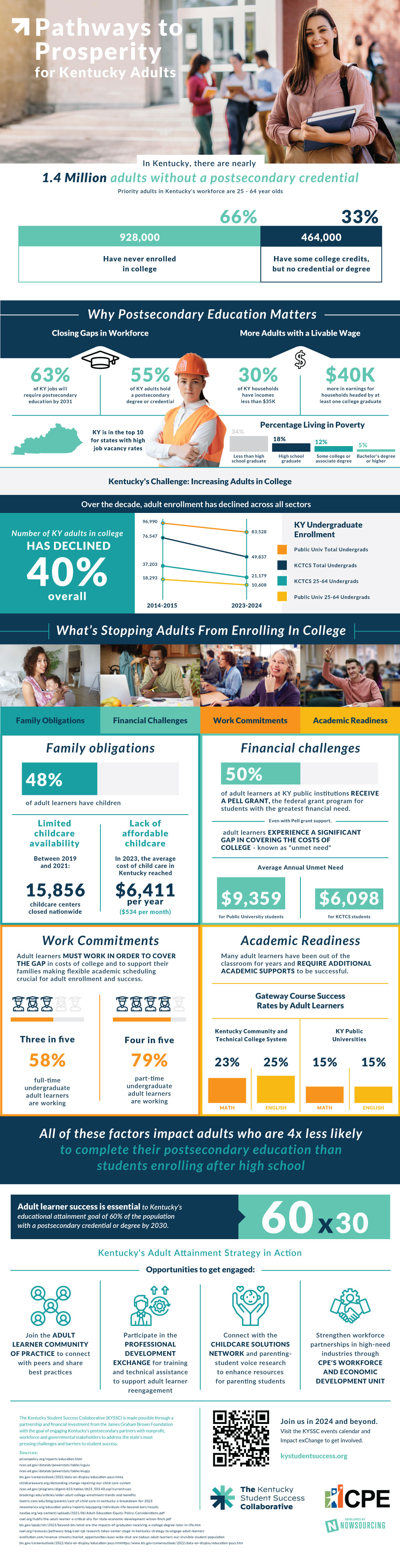
Nearly 1.4 million adults in Kentucky don’t have a postsecondary education either by means of a college degree or trade school. Of that statistic, 928,000 of the adults have never enrolled in college, while 464,000 have at least some college credit but no degree to show for it. In Kentucky, 52% of people who fall below the poverty line did not attend college/graduate high school. 

Postsecondary education is important, not only for providing a livable wage but closing knowledge gaps in the workforce. While it may be ideal for the majority of the population to pursue a higher education, it is not always in the cards for everyone. This can be for a multitude of reasons including financial challenges, family obligations, work commitments, or lack of academic readiness after being out of school for so long. 

By 2030, Kentucky hopes that 60% of its population will have a postsecondary education, so a few strategies have been implemented to meet this goal. These strategies include; deploying adult learner communities to connect individuals seeking higher education later in life, access to professional development for training and technical assistance, childcare solutions for those who cannot afford traditional childcare systems, and finally events that help strengthen workforce partnerships.

Pathways to Prosperity for Kentucky Adults
Source: Kentucky Student Success Collaborative

Understanding Ransomware: Prevention and Response Strategies

0

Cyberattacks are becoming increasingly sophisticated, and ransomware remains one of the most dangerous threats to both businesses and individuals. With ransomware attacks continuing to target small businesses, understanding how to prevent and respond to these incidents is no longer optional—it’s essential. This guide will walk you through actionable steps to upgrade your IT security, safeguard your systems, and recover if an attack occurs.

1. Recognize How Ransomware Works

Ransomware is a type of malicious software designed to block access to your data or systems until a ransom is paid. Hackers typically gain access through phishing emails, malicious websites, or unprotected networks, locking you out of your files. Recognizing the signs of a ransomware attack—such as unexpected file encryption and strange ransom notes—can help you act quickly before the damage worsens.

Tip:

Educate your team or employees to recognize phishing attempts and suspicious links in emails. Tools like phishing simulators can help you prepare them for real-life scenarios.

2. Regularly Backup Your Data

One of the best defenses against ransomware is regular data backups. If your data is backed up securely, you won’t be at the mercy of cybercriminals. However, make sure these backups are stored in a secure, offline location or on cloud systems with strong encryption.

Tip:

Schedule automatic backups and test their restoration processes periodically. Platforms like Backblaze or AWS Backup can provide added reliability.

3. Update and Patch Software

Hackers often exploit vulnerabilities in outdated software to infiltrate systems. Keeping your software, systems, and applications up to date is one of the easiest ways to close security loopholes. Regular updates enhance your security by patching vulnerabilities and keeping cybersecurity defenses aligned with current threats.

Tip:

Enable automatic updates wherever possible or schedule routine manual upgrades. Tools like WSUS (Windows Server Update Services) allow businesses to manage patches company-wide.

4. Use Endpoint Security and Firewalls

Ensure your devices and networks are protected through advanced security measures, such as endpoint detection and response (EDR) tools and firewalls. These tools monitor activity, detect ransomware infections early, and isolate the threat before it spreads across your systems.

Example:

Major organizations, including healthcare providers, have successfully used endpoint security tools like CrowdStrike and SentinelOne to neutralize ransomware outbreaks before causing extensive harm.

Tip:

Combine antivirus software with EDR solutions and next-gen firewalls for a multi-layered defense approach.

5. Develop a Ransomware Response Plan

Preparation is key when dealing with any ransomware attack. A well-outlined response plan ensures that all stakeholders know how to act during an incident. This includes isolating infected systems, notifying IT teams, reporting to authorities, and determining whether restoring from backups is viable.

Tip:

Conduct regular ransomware drills to test your response plan, and assign specific roles to team members for clear accountability during an emergency.

6. Partner with Cybersecurity Experts

Sometimes, the expertise required to defend against ransomware is beyond what internal teams can manage. Working with reliable cybersecurity providers or consultants ensures access to 24/7 monitoring, threat intelligence, and proactive threat mitigation tailored to your organization.

Tip:

Providers like Palo Alto Networks, Sophos, or local managed security service providers (MSSPs) can help fortify your defenses and assist during breaches.

7. Never Pay the Ransom

If faced with a ransomware attack, avoid paying the ransom at all costs. There’s no guarantee the hackers will release your data, and payment only encourages further attacks. Instead, focus on containment and recovery through backups and IT support.

Tip:

Report attacks to local authorities or agencies like CISA (Cybersecurity and Infrastructure Security Agency) to get professional guidance and connect with recovery teams.

Take Action Today

Ransomware is a growing threat, but it’s not unbeatable. By implementing these prevention and response strategies, you’re not only protecting your data but also building long-term resilience against evolving cyber threats. Start today by educating your team, backing up your critical data, and evaluating your current cybersecurity measures.

5 Ways to Organize IT Infrastructure

0

A well-organized IT infrastructure is the backbone of any successful business. Whether you’re managing a small startup or a large enterprise, having a streamlined setup can save you time, reduce costs, and improve overall efficiency. But where do you start, and what changes make the biggest impact? This article will walk you through five practical strategies to transform your IT infrastructure into a more organized and effective system. 

1. Perform a Comprehensive IT Audit 

Before making changes, it’s essential to understand exactly what you’re working with. Conduct an IT audit to evaluate your current infrastructure. 

  • Take inventory of all hardware, software, and devices in use—this will help you identify redundancies or outdated systems. 
  • Assess your network’s performance and pinpoint areas for optimization or repair. 
  • Compare the costs of your tools and subscriptions against their ROI. 

2. Consolidate Your Tools and Systems 

Using a wide array of disconnected tools? It might be time to consolidate. 

Systems that don’t integrate can cause communication gaps, inefficiencies, and bottlenecks. Look for ways to use fewer tools that perform multiple functions—especially those that integrate well with one another. 

For instance, platforms like Microsoft 365 or Google Workspace combine essential tools (like email, file storage, task management, and collaboration) into one reliable system. This helps eliminate confusion and ensures smooth workflows. 

3. Implement Standardized Policies 

Every well-organized IT infrastructure relies on consistent processes and policies. Standardize how software is installed, data is stored, and permissions are granted. 

  • Develop clear policies for password management, file naming conventions, and data backups. 
  • Train employees on IT best practices to ensure consistency. 

Standardization reduces the likelihood of errors and makes troubleshooting easier when issues arise. Plus, it strengthens cybersecurity protocols by ensuring compliance across your entire organization.  

4. Leverage Automation Wherever Possible 

Manual processes can slow down your IT team and introduce avoidable errors. Automation tools can handle repetitive tasks with precision and free up your team to focus on more meaningful work. 

  • Use automation to perform daily backups, monitor system health, and schedule updates. 
  • Tools like Zapier, Jenkins, and Ansible can integrate with your infrastructure to automate tasks across various systems. 

5. Prioritize Scalability and Flexibility 

Your IT infrastructure should grow with your business. Plan for scalability by implementing cloud-based solutions or hybrid infrastructures that can expand as needed. 

  • Migrate workloads to cloud platforms like AWS, Azure, or Google Cloud to ensure flexible storage and compute power. 
  • Virtualization tools allow you to quickly spin up new environments without investing in additional physical hardware. 

Having a future-proof IT infrastructure reduces downtime, improves adaptability, and ensures you stay ahead of your competition. By prioritizing scalability, you can ensure business success down the road as well. 

Final Thoughts 

An organized IT infrastructure is crucial for driving business efficiency and staying competitive in today’s fast-paced world. By auditing your assets, consolidating tools, standardizing policies, leveraging automation, and planning for scalability, you can create a streamlined system that supports your business goals. Take the first step today—evaluate your current setup and identify one area for improvement. Small changes can lead to significant results.

Waterfowl Hunting: A Tradition of Strategy, Skill, and Patience

0

Waterfowl hunting is a time-honored tradition that blends patience, skill, and strategy in pursuit of ducks and geese. For generations, hunters have taken to wetlands, marshes, and open fields to experience the thrill of the hunt and the satisfaction of connecting with nature. Whether you’re a seasoned waterfowler or a beginner looking to get started, understanding the fundamentals of this sport is key to success.

Understanding Waterfowl Habits

The first step in becoming a successful waterfowl hunter is understanding the habits and behaviors of your quarry. Ducks and geese are migratory birds that follow predictable patterns based on seasonal changes. Their movements are influenced by factors such as weather, food availability, and day length.

Hunters often study migration routes and feeding behaviors to determine the best locations for setting up a hunt. Early mornings and late afternoons are prime times, as these are when waterfowl are most active. Additionally, scouting hunting grounds to observe bird behavior can significantly increase your chances of success.

Essential Gear for Waterfowl Hunting

Having the right gear is critical for a productive and enjoyable hunt. While personal preferences and hunting styles may influence specific choices, there are a few essentials every waterfowler needs:

  1. Firearms and Ammunition: A shotgun is the primary tool for waterfowl hunting. Popular gauges include 12 and 20, with non-toxic shot being required in most areas to protect wetland environments.
  2. Decoys: Realistic decoys are indispensable for attracting birds within range. They mimic the appearance and behavior of ducks or geese, making your setup appear safe and inviting to passing flocks.
  3. Calls: Duck and goose calls are used to replicate the sounds of waterfowl, further luring them toward your decoys. Mastering these calls takes practice but is an invaluable skill for hunters.
  4. Blinds and Concealment: Staying hidden is crucial for success. Portable blinds, natural cover, and camouflage clothing help hunters remain undetected.
  5. Waders: Many hunts involve wet or muddy terrain, so waterproof waders keep hunters dry and comfortable.
  6. Safety and Navigation Tools: Items such as life vests, GPS devices, and communication equipment are essential for ensuring a safe hunting trip.

Techniques for a Successful Hunt

Waterfowl hunting requires a combination of strategy and skill. Setting up your decoys in the correct formation is critical to creating a realistic scene that attracts birds. Common decoy setups include the J-hook, V-shape, and U-shape, each tailored to specific wind and flight conditions.

Calling is another important technique. Different calls can convey feeding, contentment, or urgency, which help draw birds closer. Timing and moderation are key; over-calling can spook wary waterfowl.

Shooting proficiency is also vital. Practice shooting at clays to improve accuracy and confidence. Be mindful of ethical hunting practices, ensuring clean and humane shots.

Conservation and Respect for Nature

Waterfowl hunting has a deep-rooted connection to conservation. Organizations like Ducks Unlimited and others have worked tirelessly to protect wetlands and wildlife habitats, ensuring sustainable hunting for future generations. Hunters contribute significantly to these efforts through license fees and equipment taxes, which fund habitat restoration and wildlife management.

Ethical hunters also practice responsible hunting by following bag limits, avoiding overharvesting, and respecting the land. This ensures healthy waterfowl populations and preserves the balance of natural ecosystems.

A Community of Enthusiasts

One of the most rewarding aspects of waterfowl hunting is the sense of community it fosters. Whether it’s sharing tips with fellow hunters, teaching newcomers, or participating in conservation efforts, the camaraderie among waterfowlers is unmatched. Brands like Dive Bomb Industries have become synonymous with this community, offering high-quality gear that enhances the hunting experience and supports the tradition of waterfowl hunting.

The Joy of the Hunt

For many, waterfowl hunting is about more than the harvest. It’s an opportunity to connect with nature, challenge oneself, and create lasting memories with friends and family. The thrill of seeing a flock respond to your decoys, the camaraderie in the blind, and the quiet moments surrounded by natural beauty make waterfowl hunting a truly unique experience.

Whether you’re a lifelong enthusiast or just starting your journey, waterfowl hunting offers endless opportunities for adventure, learning, and connection with the great outdoors.

How To Build Your Online Brand Properly With a Mobile App Development Partner

0

In the internet era of the world, having an online presence is paramount for business success. This is especially important for startups, who need to take any opportunity they can get more exposure. But it’s important that a business’s mobile app has a competitive advantage in order to allow it to grow.

Firstly, a good business app must put user experience first. This means it must be easy to access and simple to use for customers. Once the application has been created with these specifications, it has passed the Initial Iterations phase and your company can focus on spreading its reach. Fortunately, mobile applications allow you to cost-effectively grow your reach, with up to 9900% ROI potential. Additionally, with the in-app spending average expected to grow 267% by 2030, establishing a profitable app now will pay greater dividends in the future too.

Unfortunately, creating a mobile is not just as easy as snapping your fingers. Fortunately, there are mobile app development partners that can make it very easy for your company. Partners like Tapptitude have developed well over 150 apps across over 10 industries. To help build your brand’s online presence, using a trusted mobile app partner is essential for you and your business.

App Development Partner for Startup
Source: Tapptitude

Transforming HR Tech PR

0

HR workers are now able to  work more efficiently and accurately thanks to HR tech. This software and hardware is transforming human resources procedures, including onboarding, training, and hiring employees. Roughly 75% of HR professionals think this technology improves the way companies recruit candidates, and 82% of companies think HR tech is crucial to their success.

There are several types of softwares that serve to improve the employee experience. Applicant tracking systems (ATS) have become a vital tool for managing the recruiting and hiring process for candidates. ATS is used by the overwhelming majority (97.4%) of Fortune 500 businesses to track candidate data and hiring progress. Software for performance management is also useful for tracking the goals, performance, and objectives of employees. Performance management software, such as HireRoad, can result in a 50% decrease in attrition rates, a 25% improvement in business productivity, and an 80% increase in recruiting efficiency.

There are many types of additional HR technology that are proving useful to businesses, such as workflow automation systems, candidate relationship management software, and talent marketplace platforms. The integration of this cutting-edge technology into HR procedures not only simplifies operations but also raises employee satisfaction levels, which makes it an essential component of a successful business. Learn more about HR tech and finding the right HR tech PR agency below:

HR Tech PR Agency
Source: Talent Tech PR